Tokyo, or Tokyo, is a fantastic city that offers travellers a unique glimpse of it from traditional Japan, but also modern Japan. The first hours in Tokyo will feel like drinking 5 cans of Red Bull. It will give you wings. And you will need those wings, because Tokyo is buzzing with energy. Life here goes on 24/7. Think you have the latest mobile phone? That's already "old" in Tokyo and fashion changes faster than the seasons here. But Tokyo is more than a hyper-modern megacity. It also has traditions and cultural value that may not be immediately apparent. Fall all capitals in Asia, Tokyo is probably the most fascinating.
The wonderful world of Tokyo
Wow, what a city! I've visited Tokyo three times now and each time I think; "what a city!". I have seen many cities in Asia, but there are few where there is as much to do, see and experience as Tokyo. If you think it can't get any crazier, it can always get one step crazier! From entire malls dedicated to Pokémon to special performances in public parks. In Tokyo, you'll fall from one surprise to another.
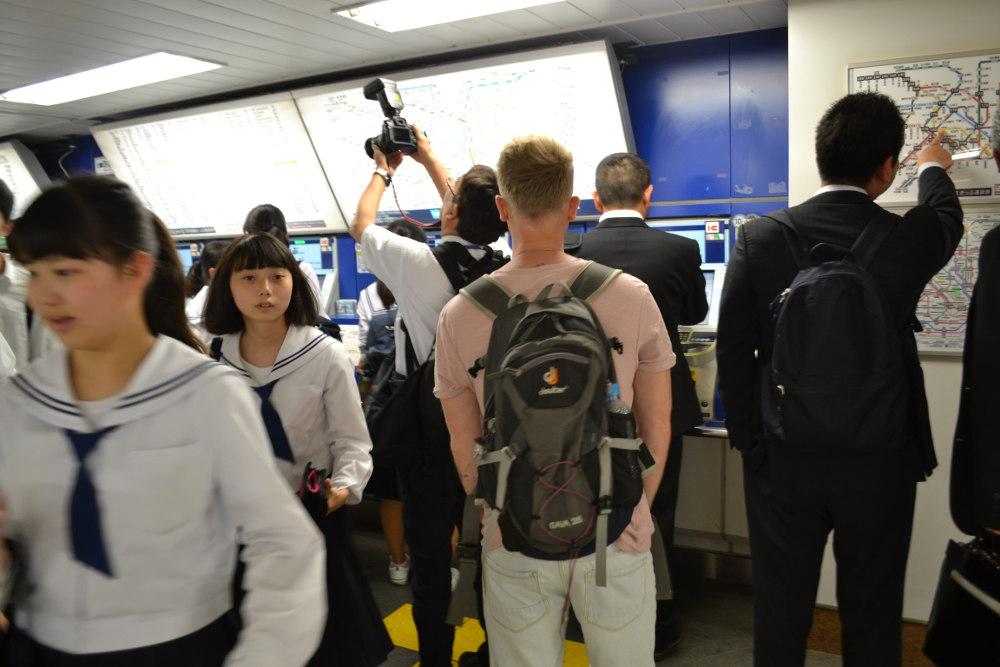
They don't say "you cannot visit the same Tokyo twice" for nothing. Tokyo breathes four hundred years of tradition, but it is also a city that never sleeps and embraces the future. Tradition and innovation go arm in arm. With ultramodern buildings, giant parks, crazy markets, clogged metro stations, unusual people and strange shops, you never get bored.
Many capital cities in Asia are skipped by travellers to move on quickly. Tokyo isn't. Not just because this is the starting and ending point of your trip through Japan, but because it is such an awesome city! Look beyond the hyper-modern part and you'll find a duck city with charm, with Shinto shrines, little temples, markets, delicious food and, above all, incredibly friendly people.
Sightseeing in Tokyo
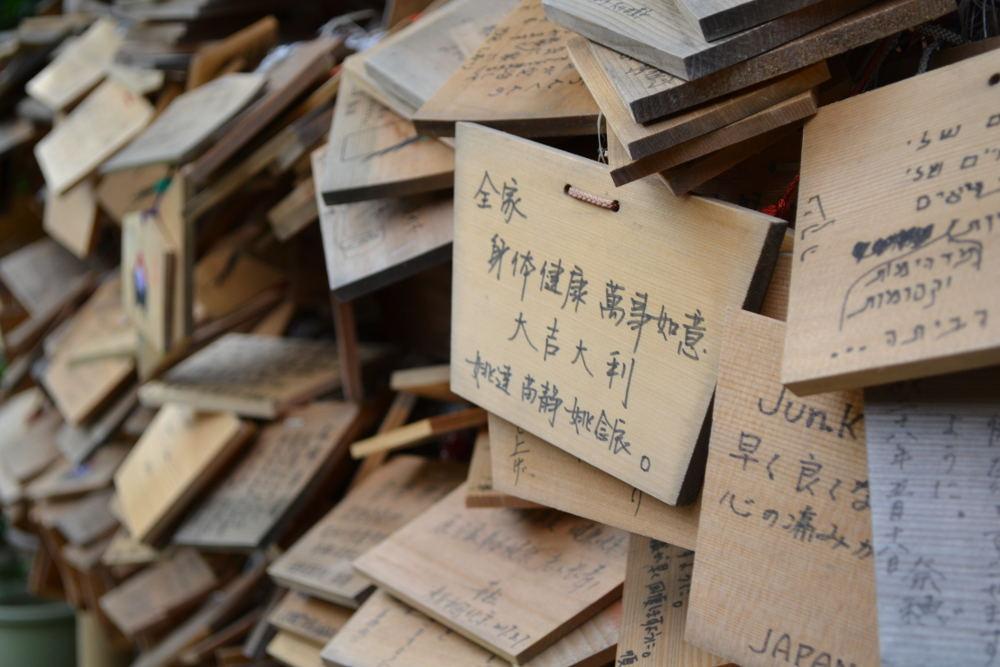
The famous fortune papers
15 fun things to do in Tokyo
Of course, we recommend booking a ticket to the city to experience it for yourself. In case you are still not completely convinced, we have listed below our most beautiful, fun or interesting highlights in Tokyo.
If you like museums, ask for a Grutt Pass. This gives you a discount (or free admission) to more than 70 museums.
#1 Walk through the gardens of Koishikawa Kōrakuen
Although Tokyo is a particularly busy city and daily life races by here, you will also find beautiful parks and gardens in Tokyo. One of these is the Koishikawa Kōrakuen. This magnificent garden is an oasis of calm in the middle of Tokyo.
Construction of the park began in 1629 during by a gentleman, aided by a fugitive scholar from China's Ming Dynasty.
TIP ♥ - The best time to visit this park is during autumn or spring because of its beautiful colours.
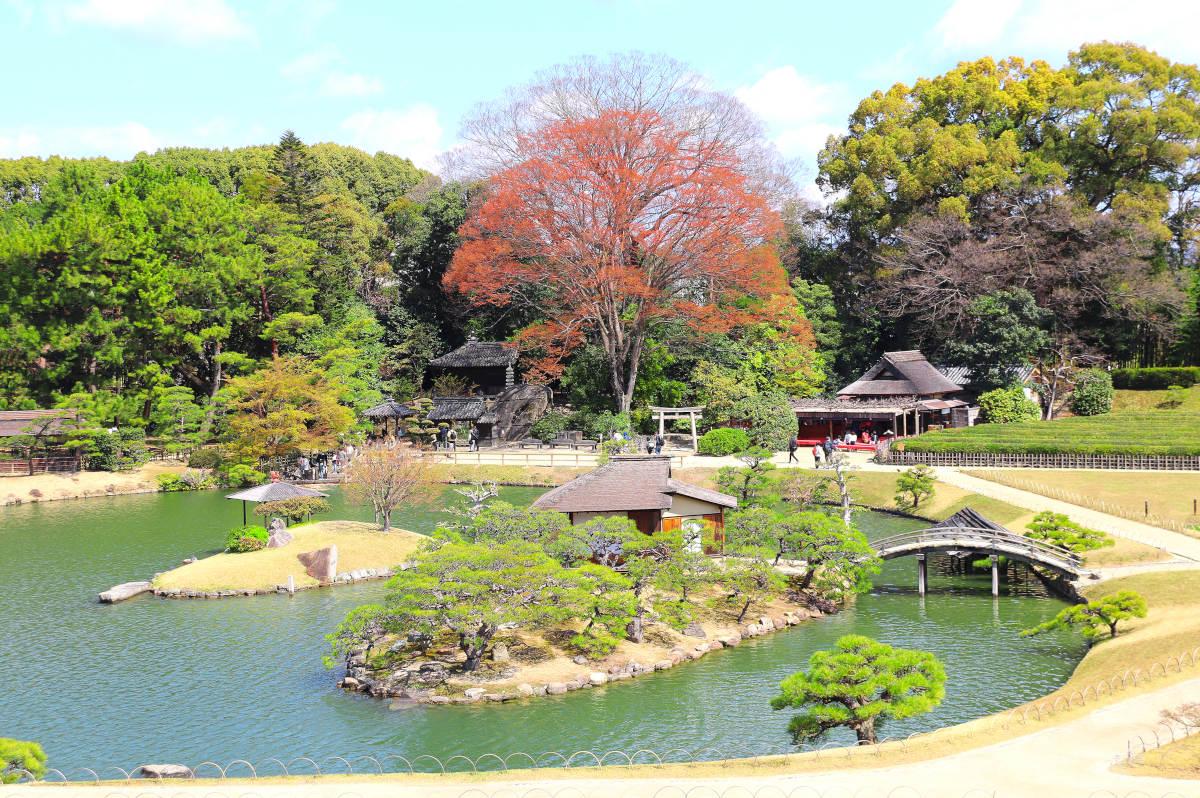
The garden
#2 Play real life Mario Kart
You will probably have seen or heard about it; in Tokyo, you can play Mario Kart in real life. You drive kart through the city; dressed up in clothes of Mario or other superheroes. It is an unusual sight when you suddenly see 10 karts driving through the street with Mario, Luigi or Superman behind the wheel.
It may seem a bit scary, but Tokyo has one of the most advanced traffic safety systems in the world.
Every move is captured by thousands of cameras and besides, the Japanese are rule-breakers so they won't run you off the road (with exceptions).
While karting, you drive past most of the city's sights. So not only is it great fun, you also get to see quite a bit of the city. You can also choose multiple routes. This activity is for 6 to 10 people so make sure you find a group.
TIP ♥ - a ride will cost you between €25 and €50 (depending on the time).
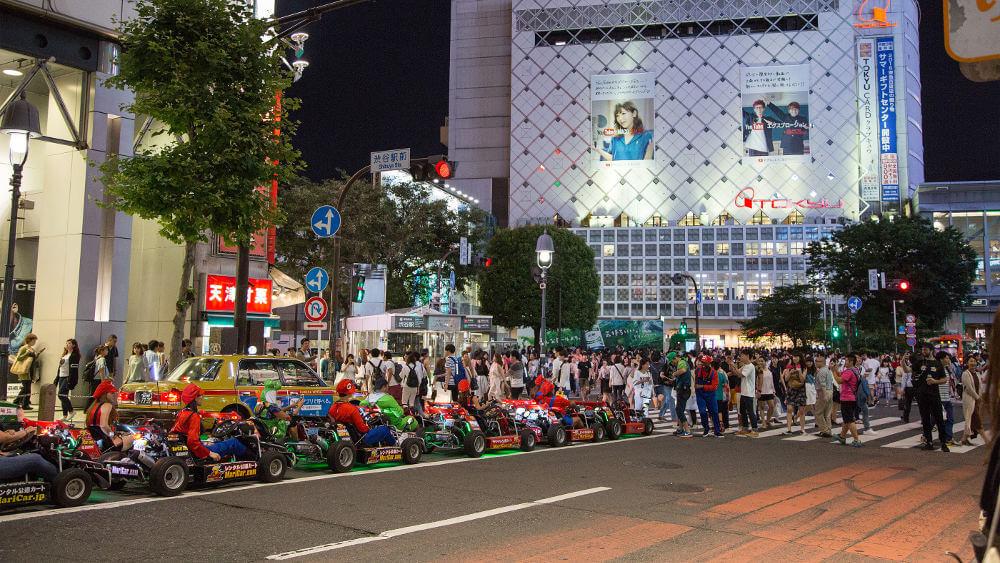
It really can be done here!
#3 Visit the Senso-Ji temple; one of the oldest temples in Tokyo
The Senso-Ji is Japan's oldest Buddhist temple. According to the legend of this temple, in the year 628, three fishermen found a statue in the Sumida River. According to the village chief, this was a statue of the important Buddhist God Kannon, the goddess of mercy.
For this, the head of the village converted his house into a small temple through which anyone could come and worship the statue. In 645, construction began on the temple as it can be admired today.
TIP ♥ - admission to this temple is free.
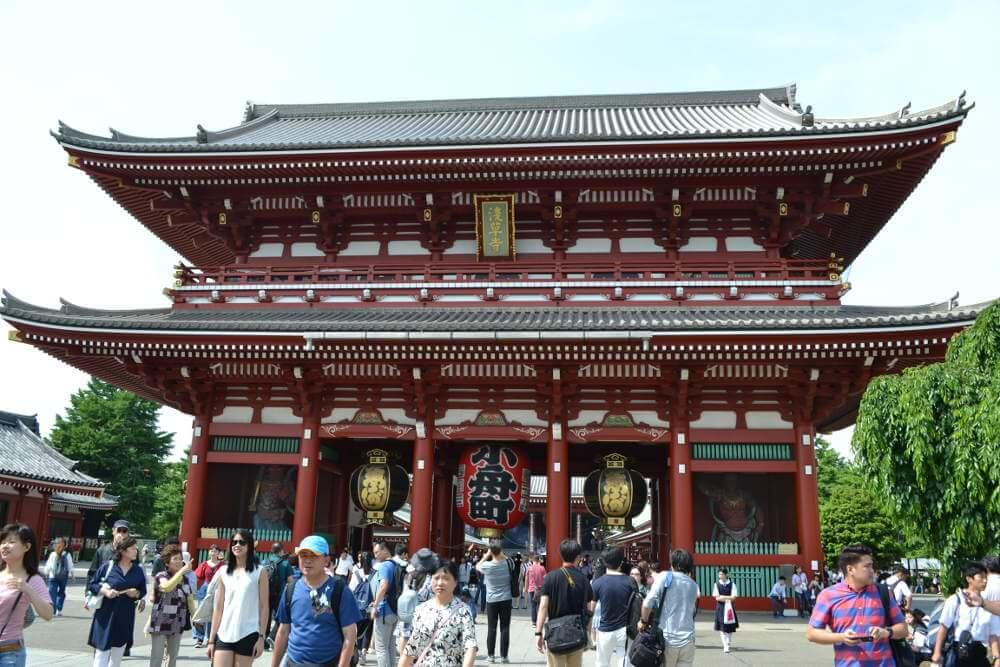
The temple
#4 Go to the top of Tokyo Tower
Tokyo Tower was built in 1958 in honour of rebuilding the city after World War II. The tower looks quite similar to the Eiffel Tower in Paris but, coincidentally or not, it is 333 metres high. This makes the Tokyo Tower 13 metres taller than the Eiffel Tower in Paris.
The colour, bright orange with white, has to do with international aviation regulations. The observation platform is 145 metres high. Entrance to the Tokyo Tower is 900 yen p.p.
You can also go to the TMG Building where you can also get an impressive view of the city (see second photo below).
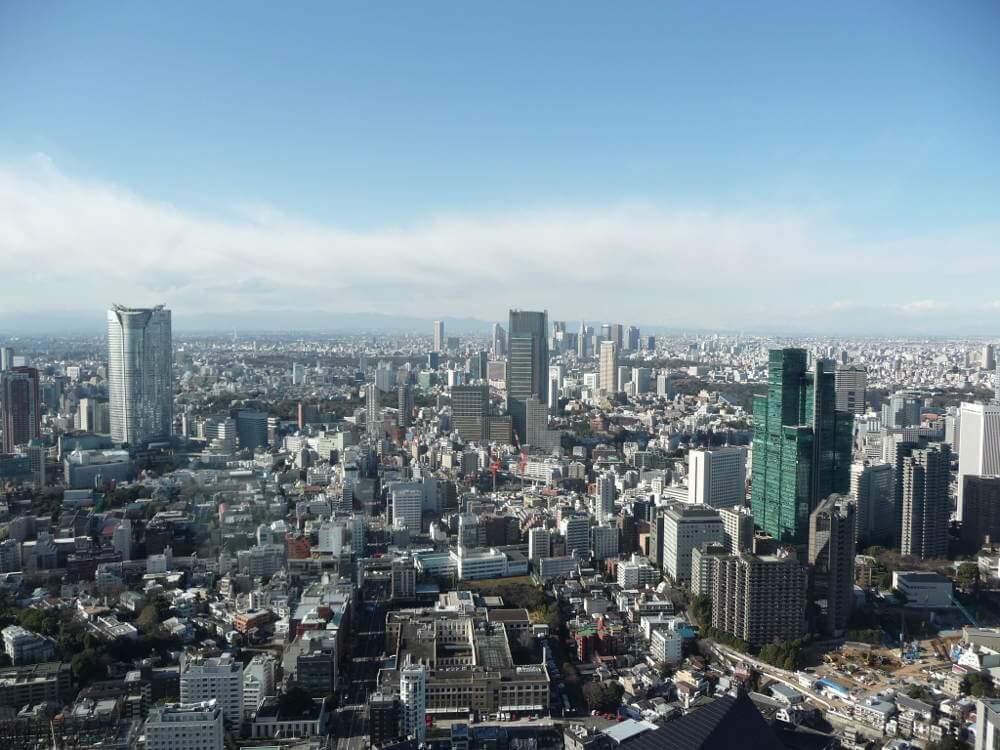
View from the Tokyo Tower
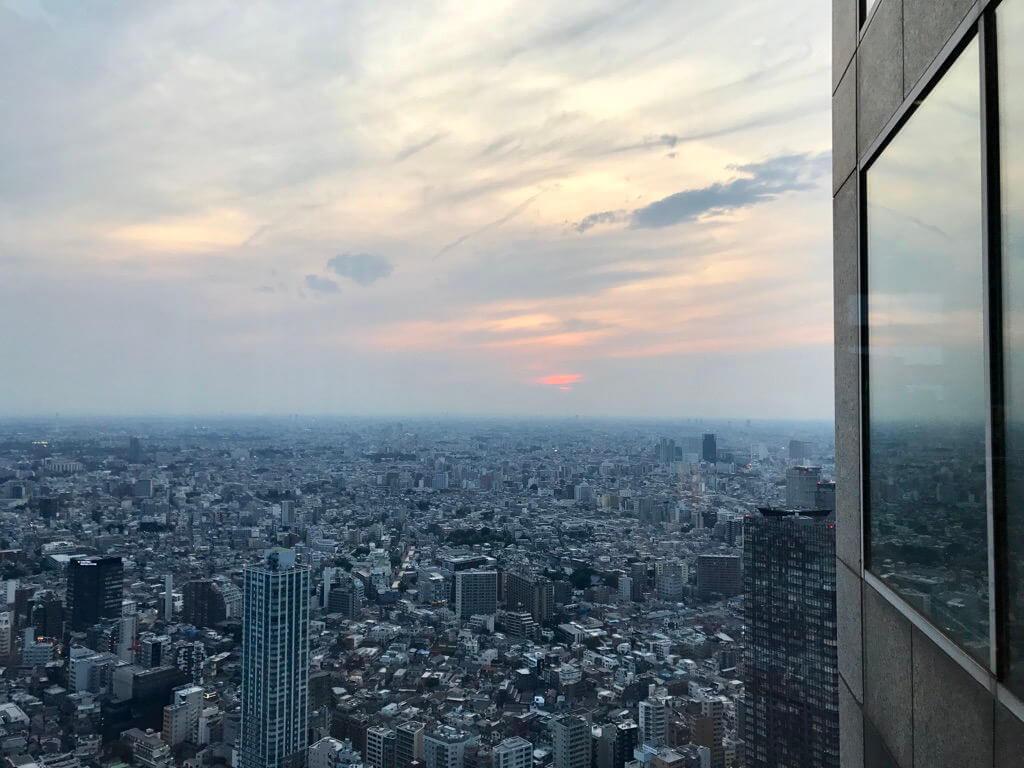
The TMG Building
#5 Visit the artificial island of Odaiba
Odaiba is a large artificial island in Tokyo Bay. It was built in 1853 during the Tokugawa shogunate, a famous shogun in Japan's history. The island served as protection against the threat from the sea.
Daiba in Japanese refers to the cannons that were placed on the island. In Japan, it is therefore known as Daiba.
TIP ♥ - Stick around until dark, because the view from the Rainbow Bridge connecting Odaiba to the heart of Tokyo is truly breathtakingly beautiful.
#6 Admire ancient Yanaka
Yanaka is one of the oldest parts of the city. Miraculously, it was spared during World War II, not to mention the many natural disasters such as the Great Kanto Earthquake.
In Yanaka, you can still find old wooden houses and bridges. This makes the neighbourhood unique in Tokyo.
Besides old wooden houses, you will also find hundreds of little temples. In addition, a lot of artists live and work here.
If you are looking for fun tours organised by locals check out The Backstreet Guide
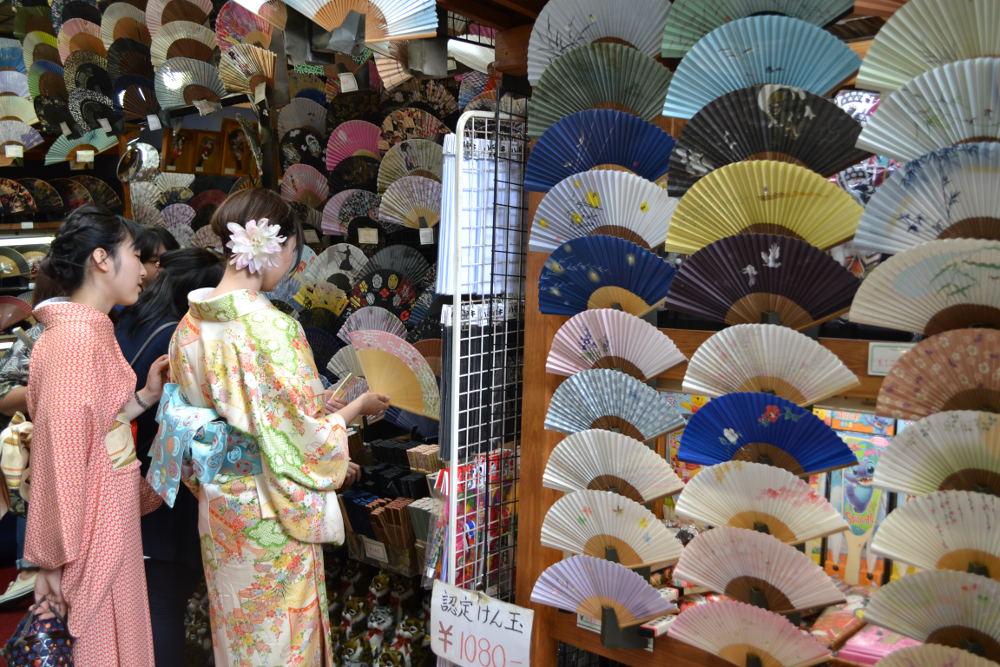
Japanese in ancient Yanaka
#7 Visit the famous Imperial Palace
The Imperial Palace was the castle where the Edo-ju from the Tokugawa shogun ruled the country. You can walk around it for free. Two famous bridges leading to the Imperial Palace are the Niju-bashi and the Megane-bashi.
Once inside, you can see the Edo-era Fushimi-yagura watchtower.
TIP ♥ - you can also book a tour of the palace. There are two tours a day from Monday to Friday. One at 10:00 am and one at 1:30 pm. Bring your passport with you!
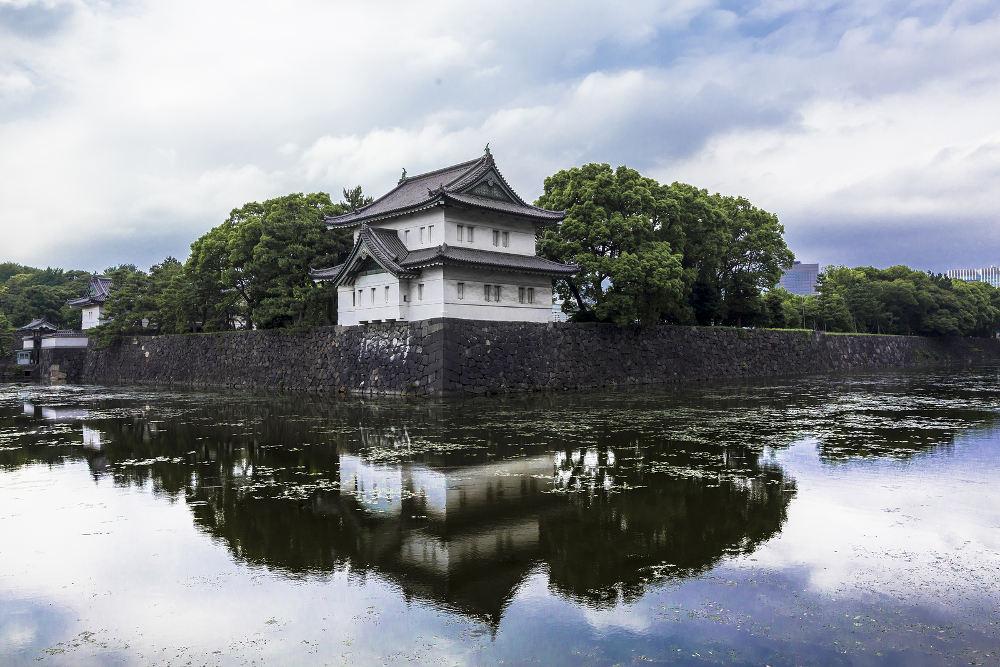
The Palace
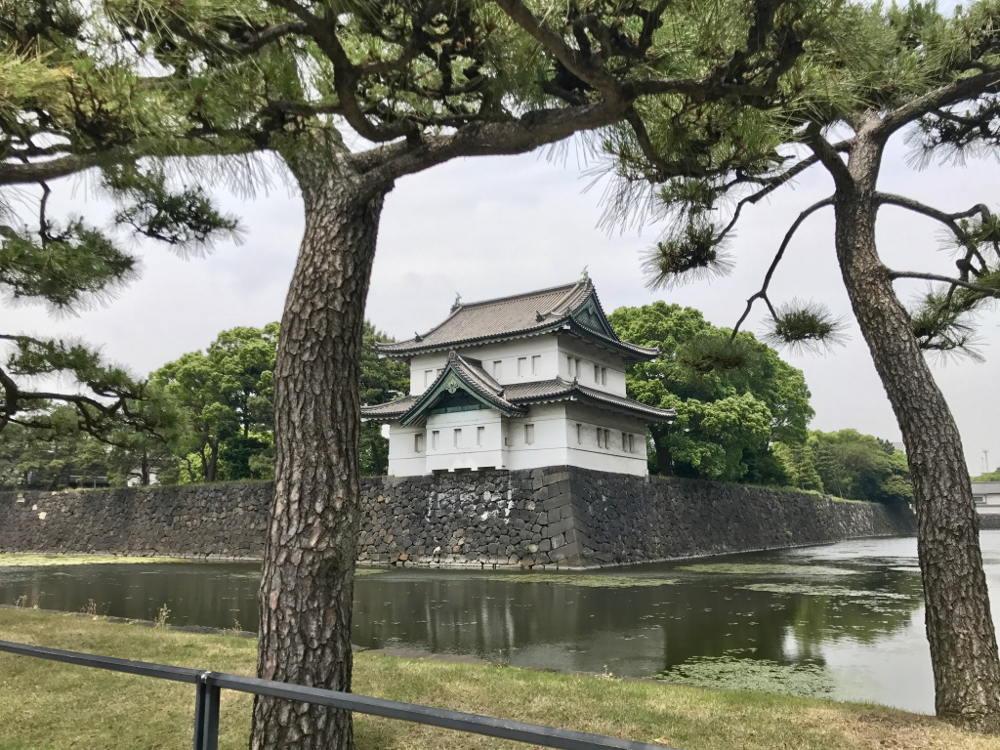
Imperial Palace
#8 Experience 24/7 life at Shinjuku
Shinjuku is a city within Tokyo. This is the Tokyo you know from TV. Neon billboards on the wall, giant TV screens on buildings with the craziest adverts and 24/7 activity. It really is immense. Cities like Amsterdam and even Bangkok pale in comparison to this giant.
And Shinjuku is the biggest part. Just to show how big this must be; more than three million people come here every day, all running and flying to the train station or their work. If you can't stand crowds, it's better to avoid this part.
Shinjuku is the district with the towering skyscrapers and the biggest entertainment scene in the city. We were here for one night and then fled to Ueno. It must be your thing, those crowds ????
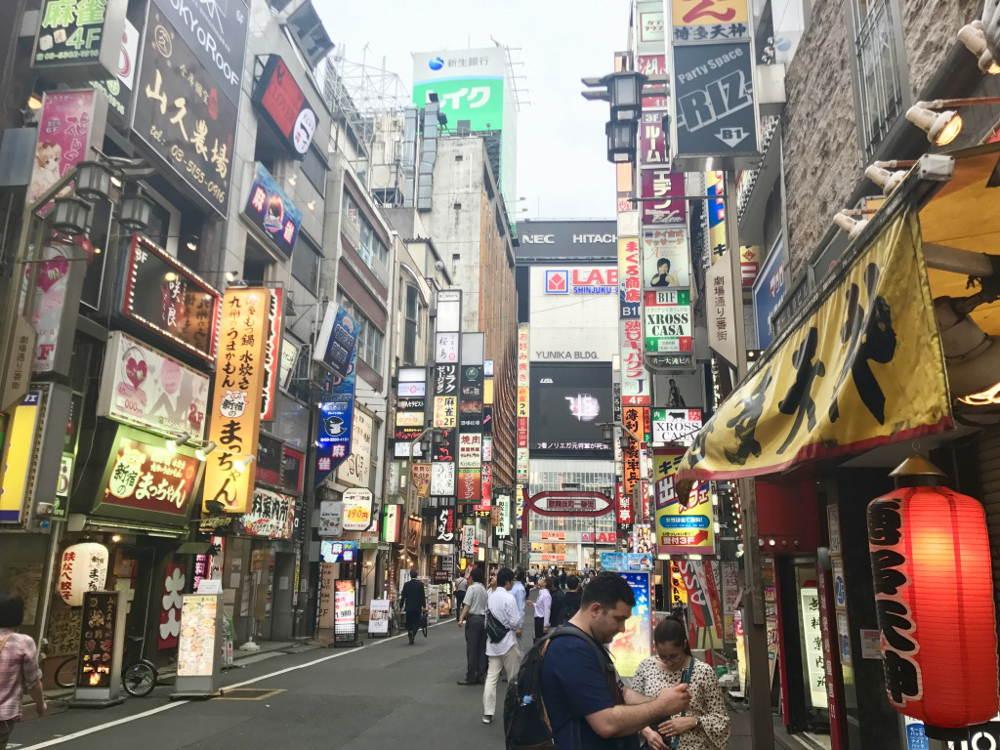
Typical Tokyo
#9 People-watching at Shibuya Crossing
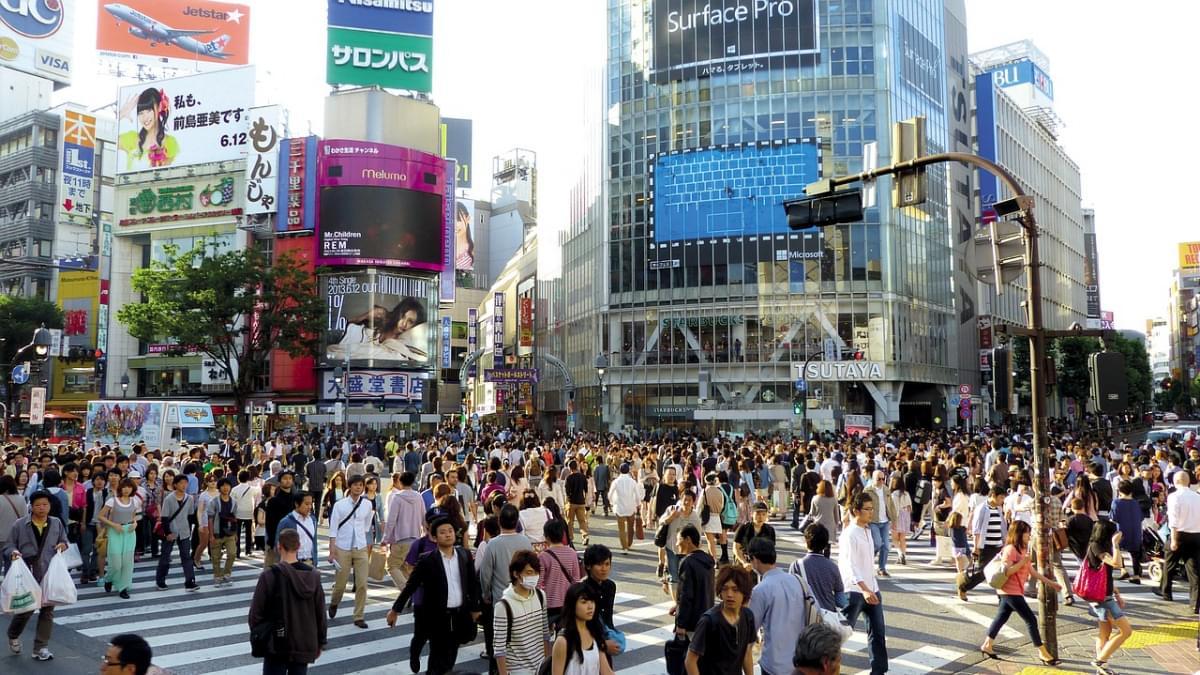
People say this is the busiest intersection in the world. And it just might be. Shibuya Crossing is like an anthill where people come and go from all directions. This is what you expect from Tokyo when you go to the city.
Every time the light turns green, hundreds - and at peak times there are more than 1,000 - people cross the street at the same time. It really is a madhouse.
For the best view of the intersection, head to the Starbucks on the 2nd floor of the Q front building across the street. Getting a window seat is tricky, but with some patience and perseverance, it works.
#10 People-watching on Takeshita Street
Harajuku is one of the nicest neighbourhoods in the city. Close to Yoyogi Park (the cutest park in Tokyo!), is Takeshita Dori, or Takeshita Street. This is the centre of Japan's most extreme teenage cultures and fashion styles.
You probably know the Japanese girls with those crazy clothes. They almost all buy them in the Harajuku area, and especially in Takeshita Dori.
Takeshita Street is a narrow, roughly 400-metre-long street surrounded by shops, boutiques, cafes and fast food restaurants aimed at Tokyo's teenagers. Because of the street's popularity, it gets very busy on weekends.
There are also nice shops and restaurants in the side streets.
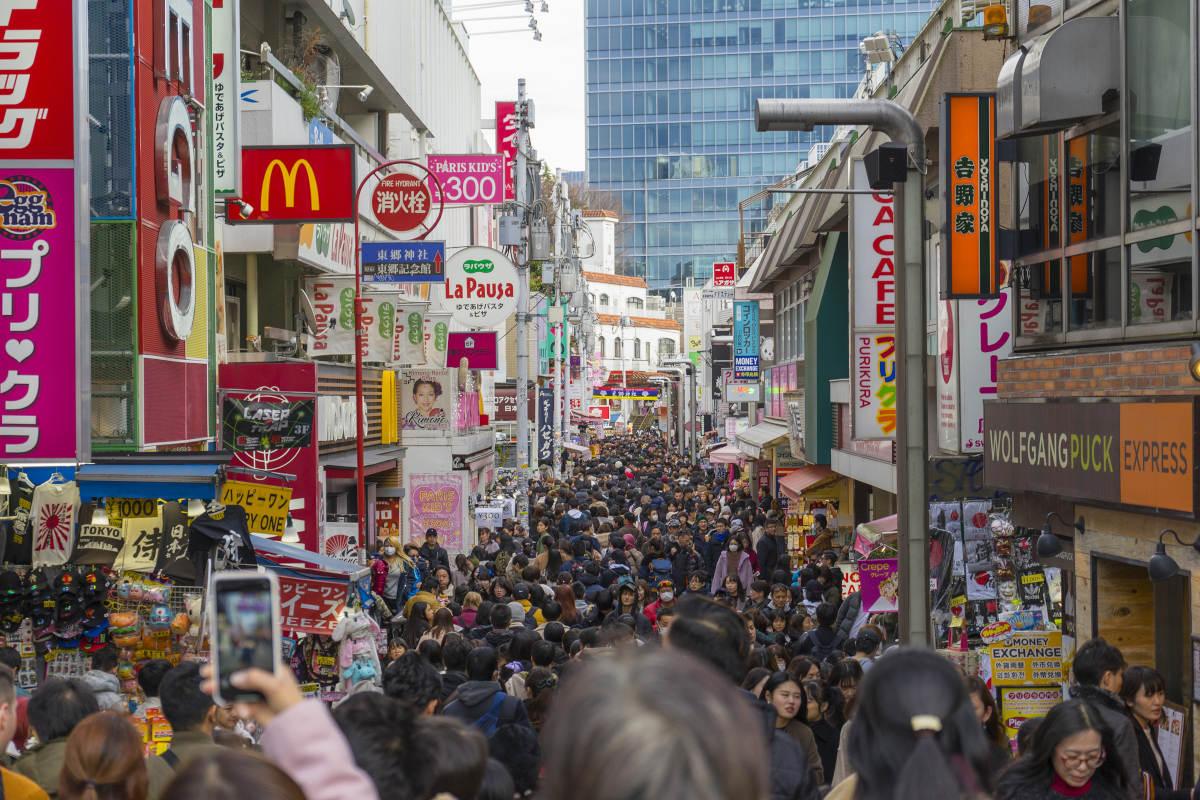 You need to be able to handle crowds
#11 Go shopping on Ameyoko Shopping Street
Ameyoko is a busy, but fun, market street around the corner from Ueno Station. The name 'Ameyoko' actually stands for 'Ameya Yokocho' which means candy shop. This is because it traditionally sold sweets.
Personally, we think this is the nicest street in all of Tokyo. You can sit outside on those typical little Asian chairs and enjoy delicious food and people-watching.
Today, Ameyoko sells various products such as clothes (lots of shoes!), bags, cosmetics, fresh fish, herbs and spices. There is not really a set opening and closing time. Each shop arranges that for itself.
Some other nice markets in Tokyo include Oedo Antique, Tsukiji Outer and UNU Farmers Market
TIP ♥ - in general, shops usually open at 10am and close around 8pm.
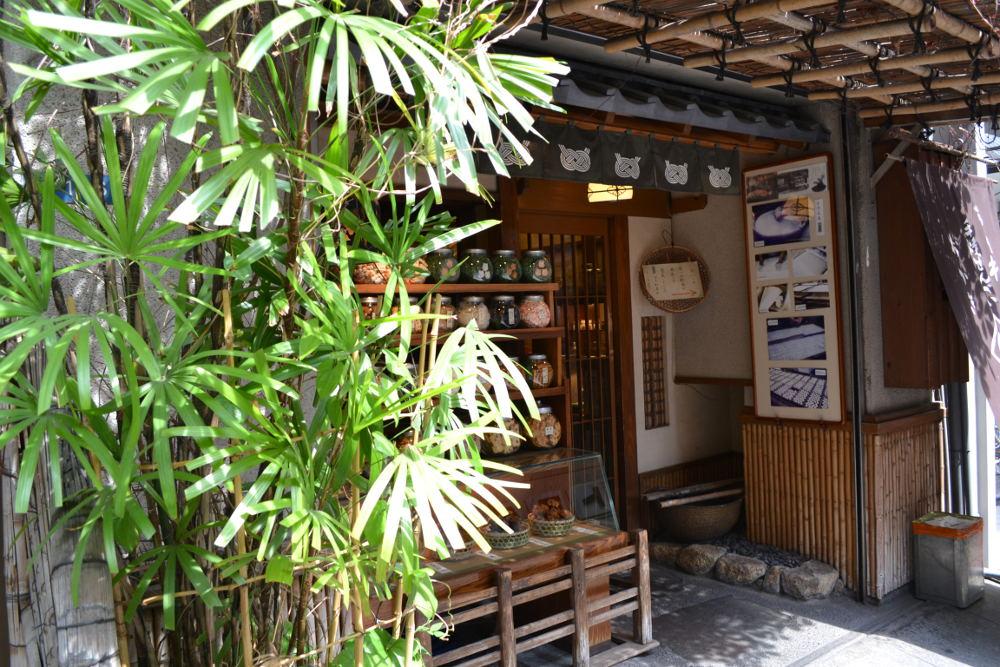
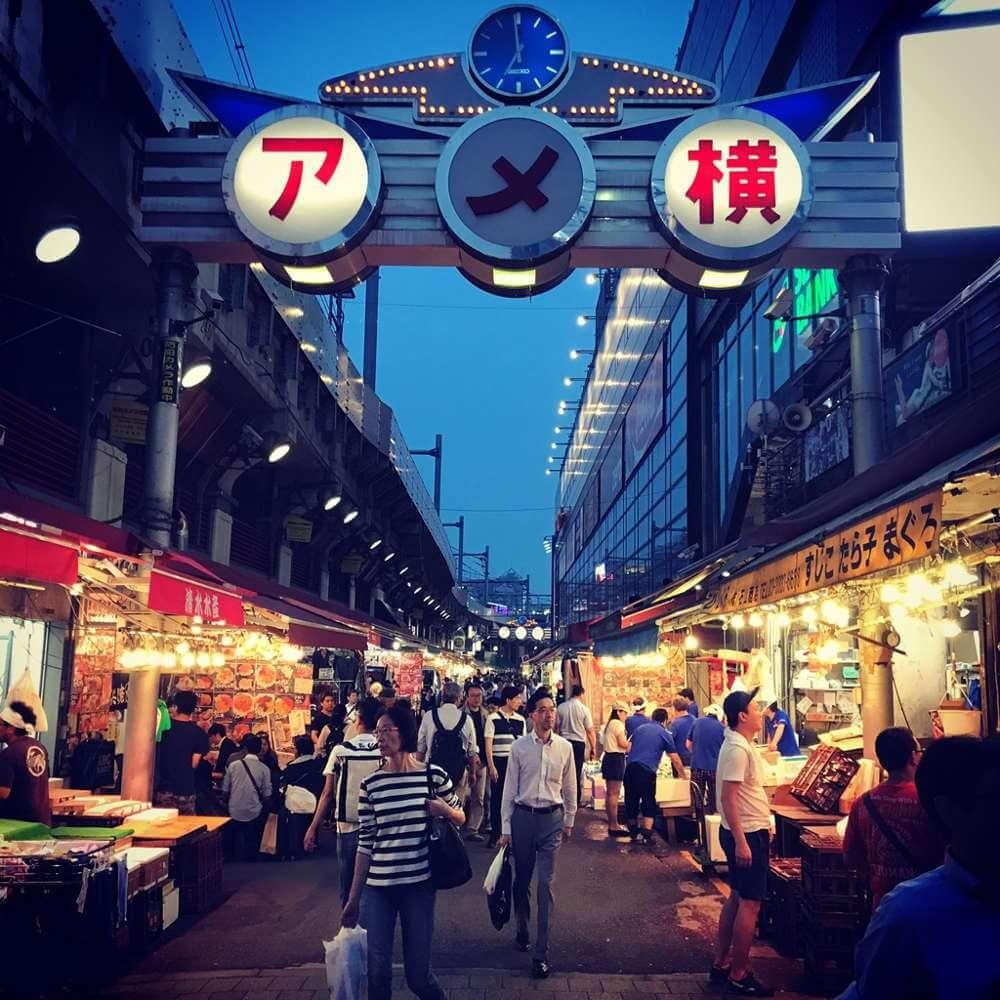
Ameyoko Street
#12 Visit Tsukiji Market; the most famous market
Tsukiji Market is a large market for fish, vegetables and fruit in central Tokyo. It is the city's most famous market. Tsukiji Market is one of the world's largest fish markets, processing more than 2,000 tonnes of seafood a day.
The many varieties of fresh seafood and the hustle and bustle of scooters, trucks, vendors and buyers make Tsukiji Market a major tourist attraction.
Closed
Tsukiji Market, which was also known as the "inner market" and was famous for its seafood, closed on 6 October 2018 and moved to a new location in Toyosu where it is now known as Toyosu Market. Tsukiji's "outer market" with its many shops and restaurants, on the other hand, did not close and can still be visited.
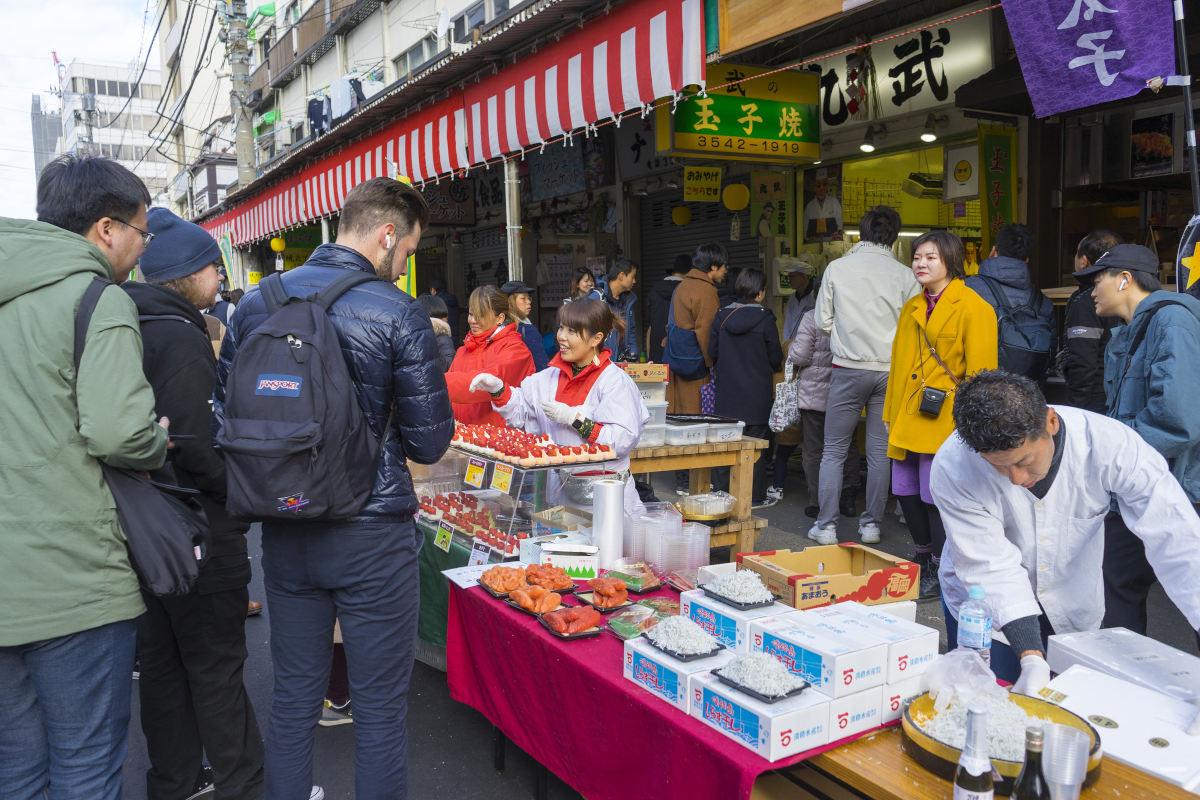
Tsukiji Fish Market in Tokyo
#13 The wonderful world of Yoyogi Park
Yoyogi Park is one of the city's largest urban parks with many fields, ponds and wooded areas. You will see many locals and expats jogging, picnicking and doing other outdoor activities here. However, that is not the reason why so many people come here.
Yoyogi Park is Tokyo's most fun park. There really is everything happening here; from rock 'n roll Japanese, to dancing PowerRangers and from live jazz bands to dog shows. If you're looking for a fun, relaxing day, this is the place to be.
In addition, the park is famous for its cherry flowers in spring, although Yoyogi Park has relatively few cherry trees compared to other places in the city. Before becoming a city park in 1967, the area was first the site of the Olympic Village for the 1964 Tokyo Olympics.
TIP ♥ - entrance to the park is free.
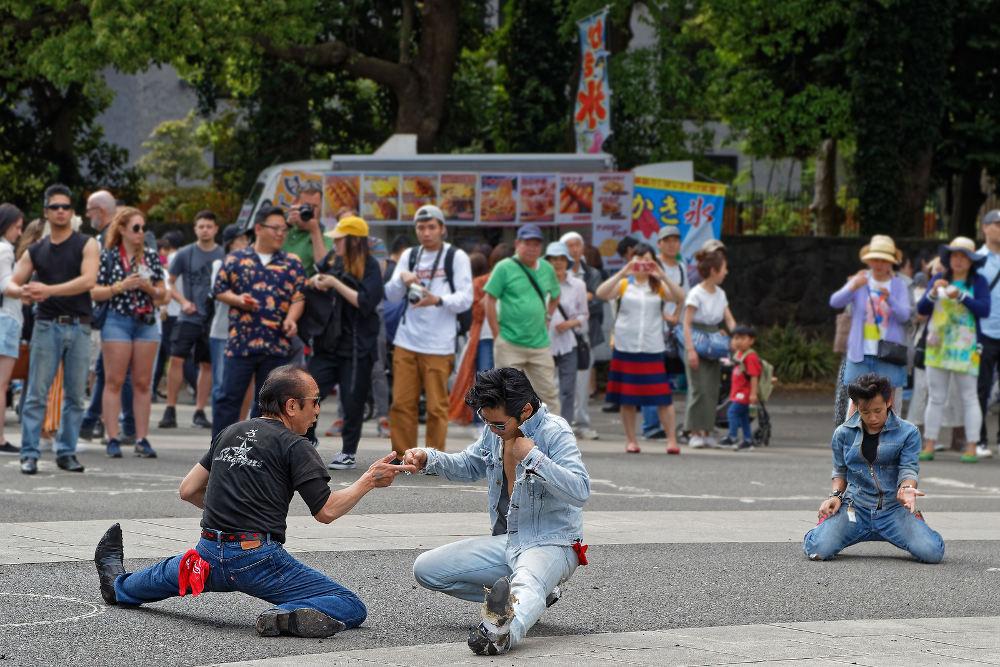
Rock 'n roll in the park
#14 Stroll through Golden Gai
Golden Gai is a must-visit when in Tokyo. It is a this collection of narrow streets, tucked away in the shadow of Shinjuku, with more than 200 bars and clubs. The buildings are small - most only seat about 10 people - and each has its own unique atmosphere.
You can find everything from old-school bars to jazz clubs, and the clientele ranges from businessmen to tourists from all over the world. Golden Gai is the perfect place to experience Tokyo's nightlife.
It will be a night to remember!
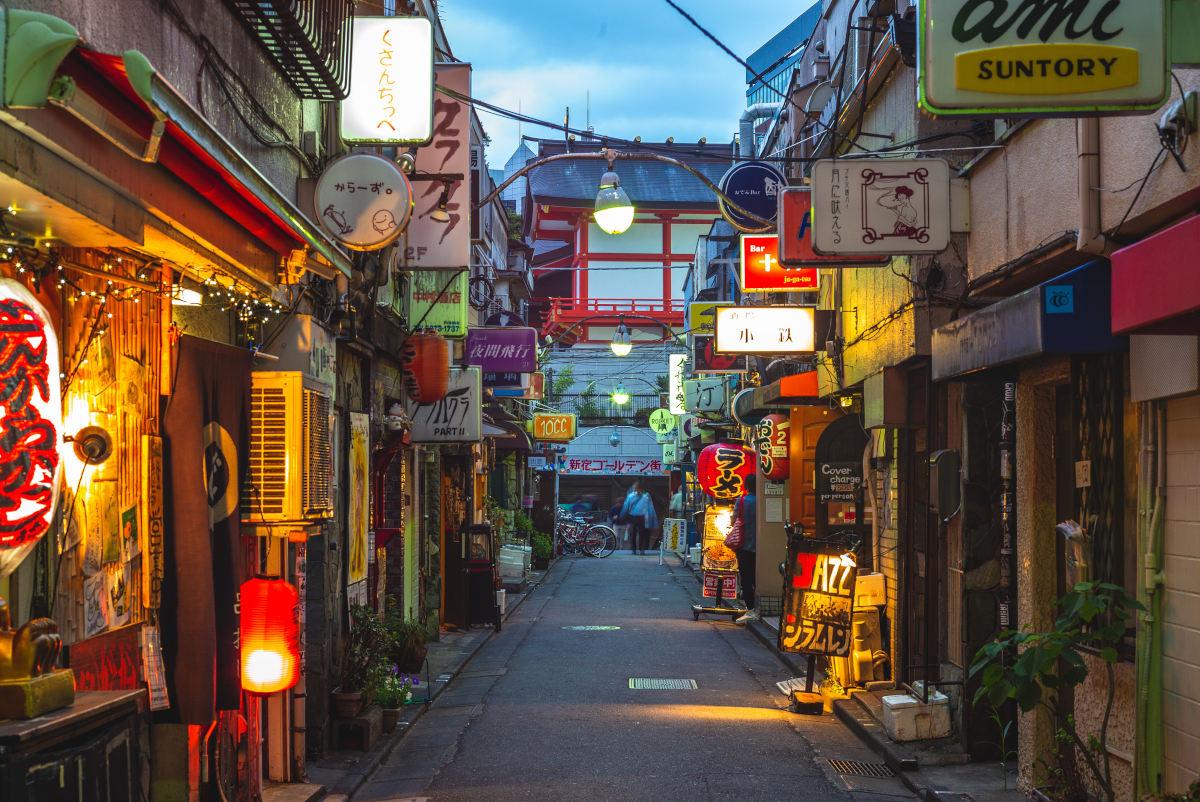
The streets of Golden Gai
#15 Visit a sumo in Ryogoku Kokugikan
You can't travel to Japan without experiencing the national sport. Sumo is to Japanese what football is to the Dutch, and the way to experience such a match is by attending a sumo match at Ryogoku Kokugikan. And for that, you need a bit of luck.
Only three of the six official major sumo tournaments take place in Tokyo, all at Ryogoku Kokugikan. This stadium hosts more than 11,000 enthusiastic fans, all of whom can enjoy Japan's favourite sport for more than two weeks.
Attending a sumo match is an unforgettable experience and it is one of the best ways to get a taste of Japanese culture.
TIP ♥- matches are held in January, May or September
Staying in Tokyo
Tokyo is a gigantic city. To give you an idea: it is 10x bigger than Amsterdam. When choosing accommodation in Tokyo, it is therefore important to consider the neighborhood and amenities you have access to.
An easy way to find suitable accommodation is by looking through a comprehensive list of Hotels in Tokyo at tokyo-hotels-stay.com. This site provides a broad overview of hotels, from budget to luxury, and divides them by neighborhoods.
There are quite a few options. We, therefore, share not the best hotels, but the best neighborhoods to stay in. One of the hotels that particularly stands out in these neighborhoods is the Hotel Diamond. Its central location and top-notch amenities make it a superb choice for both leisure and business travelers.
Shinjuku
In Shinjuku, one of the city's liveliest districts, you can soak up the lively atmosphere, grab a bite to eat at one of the delicious food stalls or cafes, buy souvenirs and wander past some of Tokyo's most recognisable landmarks.
Shibuya
For those looking for something more relaxed but equally fun, nearby Shibuya is full of bars, restaurants and karaoke rooms that guarantee a great night out. You'll also find the famous Shibuya Crossing here (see #9).
Harajuku
If you're looking for peace and quiet, exploring Harajuku should be at the top of your bucket list. Here you'll find peaceful parks and temples ideal for sightseeing, plus plenty of boutiques selling uniquely Japanese fashion items.
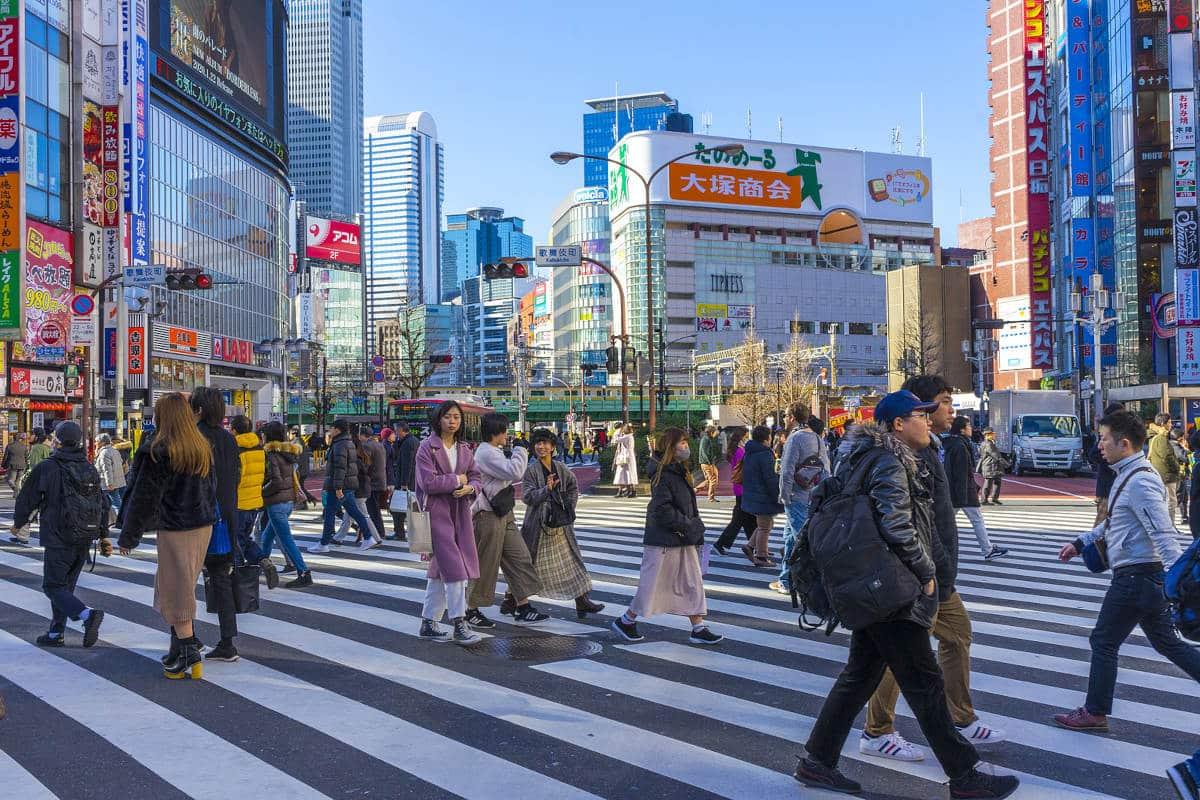
Shinjuku in Tokyo
Tokyo today
Today, it is a world-famous city. Cities like Amsterdam or Paris are villages compared to this mega-city. It has with most extensive and sophisticated metro and train network in the world, delicious food, shopping malls that experience like amusement parks and crossing here looks like a scene from Brave Heart!
But although it is a huge city and you can literally get lost there is a convivial and cosy atmosphere.
It looks smaller and when you think away the skyscrapers and neon lights in the background, it is absolutely beautiful. The markets, bars and restaurants, shops and sights make this city suitable for every type of traveller!
Whether you visit the Sky Tower, check out the Imperial Palace or marvel at crossing the streets, Tokyo has it all!
How many days do you need in Tokyo
Want to explore Tokyo? Then count on at least 3 days. Actually, you should stay here for at least a week, but we realise not everyone has that time. Especially if you want to see the rest of Japan too.
But how do you spend those days? After all, there is quite a lot to see and do.
On day one, visit the Tokyo Metropolitan Government Building for a panoramic view of the city and explore the bustling districts of Shinjuku and Shibuya. At the end of the day, visit the Meiji Shrine and end your day at a traditional sushi restaurant.
Day the second day to Tokyo Tower, a towering observation tower overlooking the city. Also explore the historic Asakusa district, home to the Sensoji Temple. On the last day, you can visit the Tokyo National Museum and the Imperial Palace.
You can also take day trips to popular destinations outside Tokyo, such as Nikko or Hakone. Of course, you can always stay longer and really get to know the city. Tokyo is a huge metropolis that has a lot to offer, so it really depends on what kind of experience you're looking for, but 3 days are easy to fill up.
Best travel time Tokyo
The best time to visit Tokyo is between May to November. Autumn (September to November) brings colourful leaves and pleasant temperatures. Summer (May to August) is the high season.
You have nice temperatures then, but big crowds and long queues at museums and in the metro. Besides the oppressive heat, you also suffer from high prices in the summer months.
Winter is cold, but not as extreme. It's not the best time to visit Tokyo because the parks don't really bloom at this time of year.
If you have decided to make your trip between May and November, then planning your stay in advance can help you avoid high costs. No matter which season you decide to tackle Tokyo, you’ll need a place to rest your head after a day of exploring. Find the best deals for Hotels in Tokyo at tophotels.com.