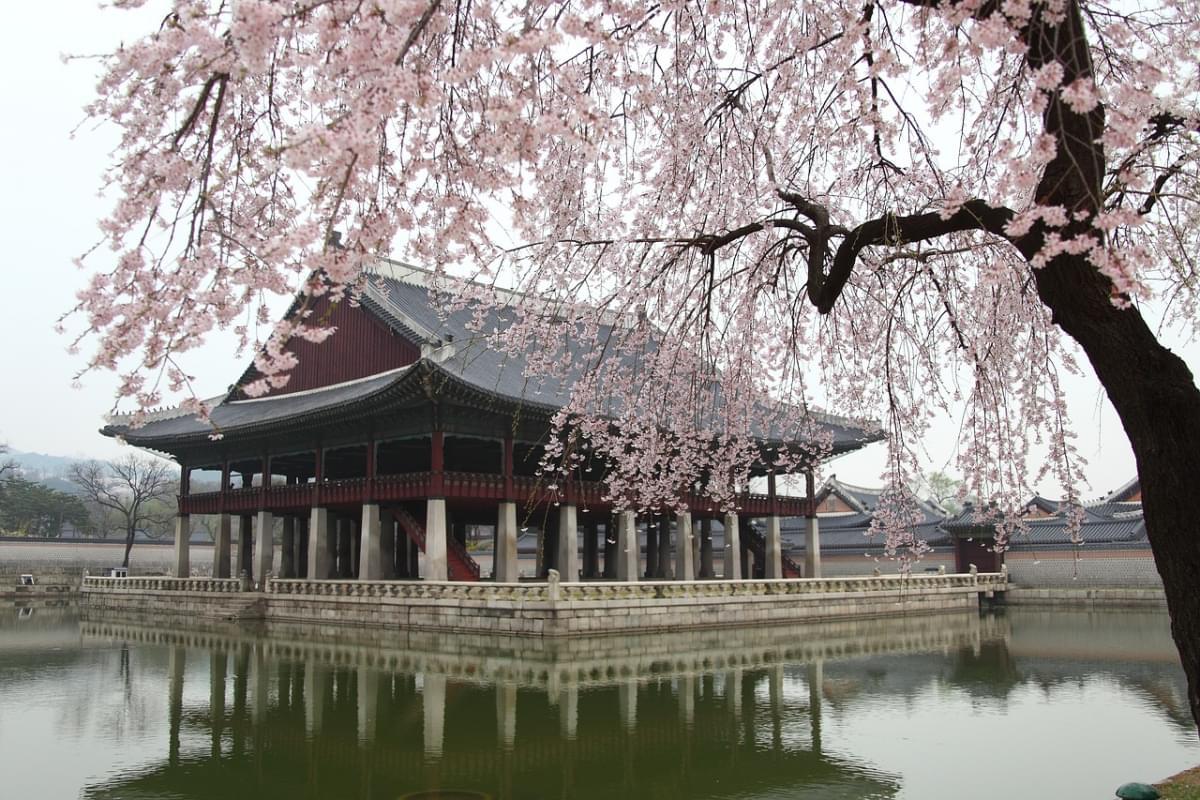
The South Korean capital, Seoul(or Seoul) is a metropolis in continuous economic, cultural and tourist expansion. While it offers futuristic attractions, tourists can also lose themselves in the wonders of traditional villages and monuments of historical, artistic and cultural interest. There are also markets, parks, remarkable museums and numerous leisure and relaxation options for young and old.
Choosing a suitable accommodation is a crucial part of planning your visit to Seoul. A great option would be reserving a hotel in the city, which offers comfort and convenience, providing a restful haven after a day of exploration.
A pleasant and welcoming city that really has a lot to offer whether you spend a few days or an entire holiday here. Let's find out together what to see in Seoul!
For a selection of top-rated accommodations with superb facilities and excellent location, you can check out tophotels.com. It provides an extensive list of hotels that would certainly ensure a memorable stay in this vibrant metropolis.
Looking for a hotel in Seoul? We have selected for you the best offers on Booking.com
What to see in Seoul
1 - National Museum of Korea
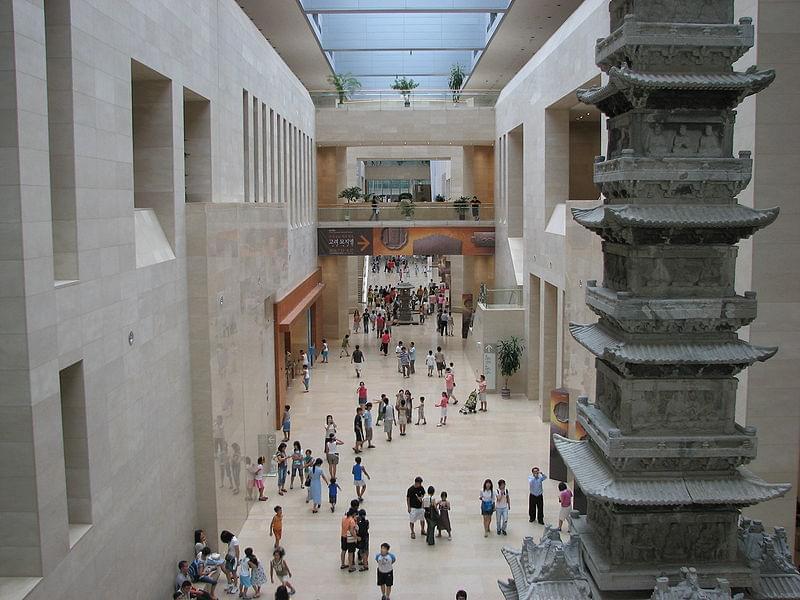 Photo by by Ian Muttoo. Considered the most important museum in Korea, as well as being the largest in the country and the 6th largest in the world, the National Museum of Korea in Seoul houses more than 220,000 objects, including objects, paintings, photographs and much more. 13,000 objects are on permanent display, while the others are presented in temporary exhibitions in dedicated rooms.
The permanent collection is divided into 3 floors and each floor takes at least 45 min to visit properly. Outside, there is a beautiful garden with local plants, water features and meditation areas.
How to get there: 137 Seobinggo-ro, Seobinggo-dong, Yongsan-gu. It can be reached by metro line 4, Ichon Station stop, or by bus line 400 or 502. Nearby National Hangeul Museum, Yongsan Family Park and War Memorial - Get directions
Hours: Mon-Sat 10am-6pm, Wed and Sat until 9pm, Sun 10am-7pm
Ticket price: Permanent collections free of charge / Temporary exhibitions variable price
2 - Gyeongbokgung Palace
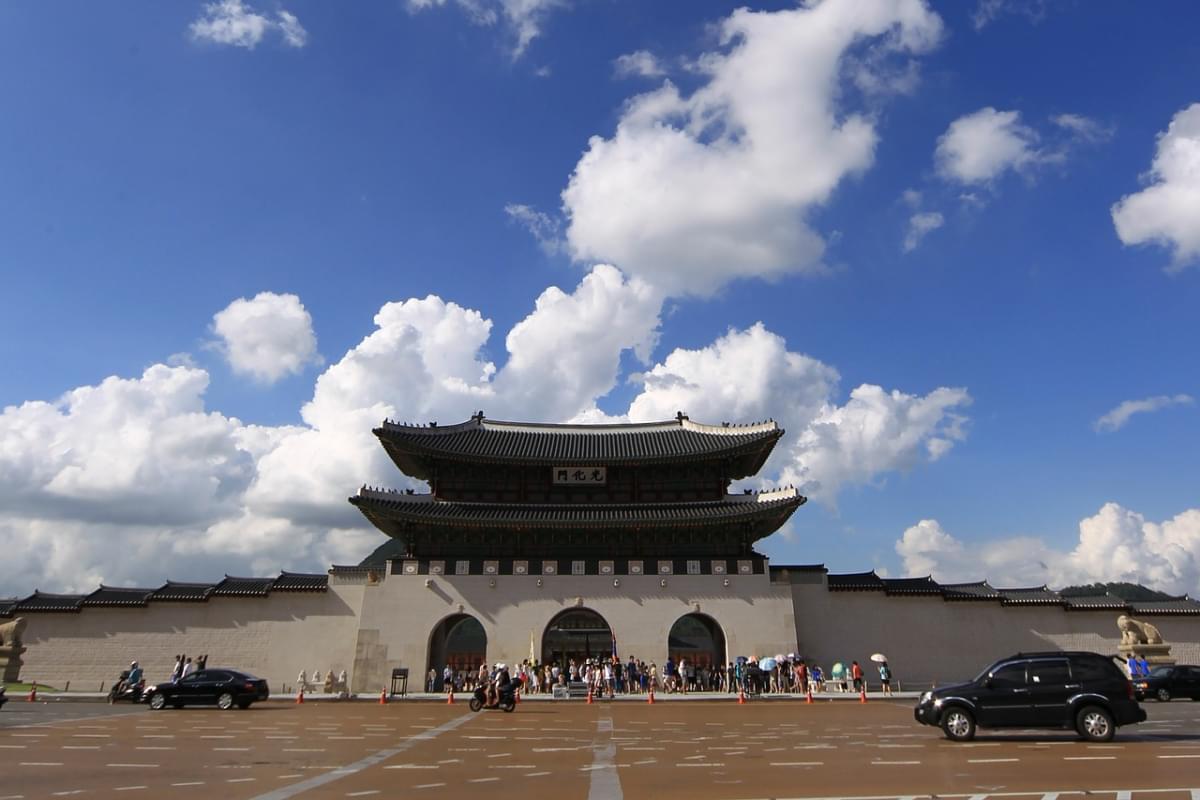 There are no less than five royal palaces in Seoul dating back to the Joseon period, but the Gyeongbokgung Palace is certainly the most famous, characterised by its mystical atmosphere and distinctive architecture. The complex includes numerous buildings that had different functions during the dynasty period. Don't miss the Imperial Throne Hall and the Gyeonghoeru pavilion, supported by 48 granite pillars in the middle of an artificial lake, where lotus flowers float and which at the time was used as a place for parties and important gatherings.
Its importance is such that it can be seen depicted on 10,000 won banknotes and it was here that propitiatory rituals to invoke rain were held in times of drought. The palace is also home to the National Folk Museum with exhibits illustrating the history of the traditional life of the Korean people (guided tours at 10am, 11am, 2pm and 3pm).
Get in forfree wearing the Hanbok: by wearing the traditional Korean ceremonial dress, you won't have to pay admission to this and other palaces in the city. You will be able to get the dress in shops in the surrounding area.
How to get there: by 99 Yulgok-ro, Waryong-dong, Jongno-gu. From downtown Seoul 'Myong dong' by public transport in 45 min. From Wonhyoro 2-ga Sageori by bus number 7016 (green line), with metro line M Gyeongbokgung - Get directions
Hours: November to February 9am-5pm, March to October 9am-6pm
Ticket price: Royal Palace full 3,000.00 WON (€2.30), concessions 1,500.00 WON (€1.15) / Folklore Museum 1,000.00 WON (€1.00)
3 - Changdeokgung Palace
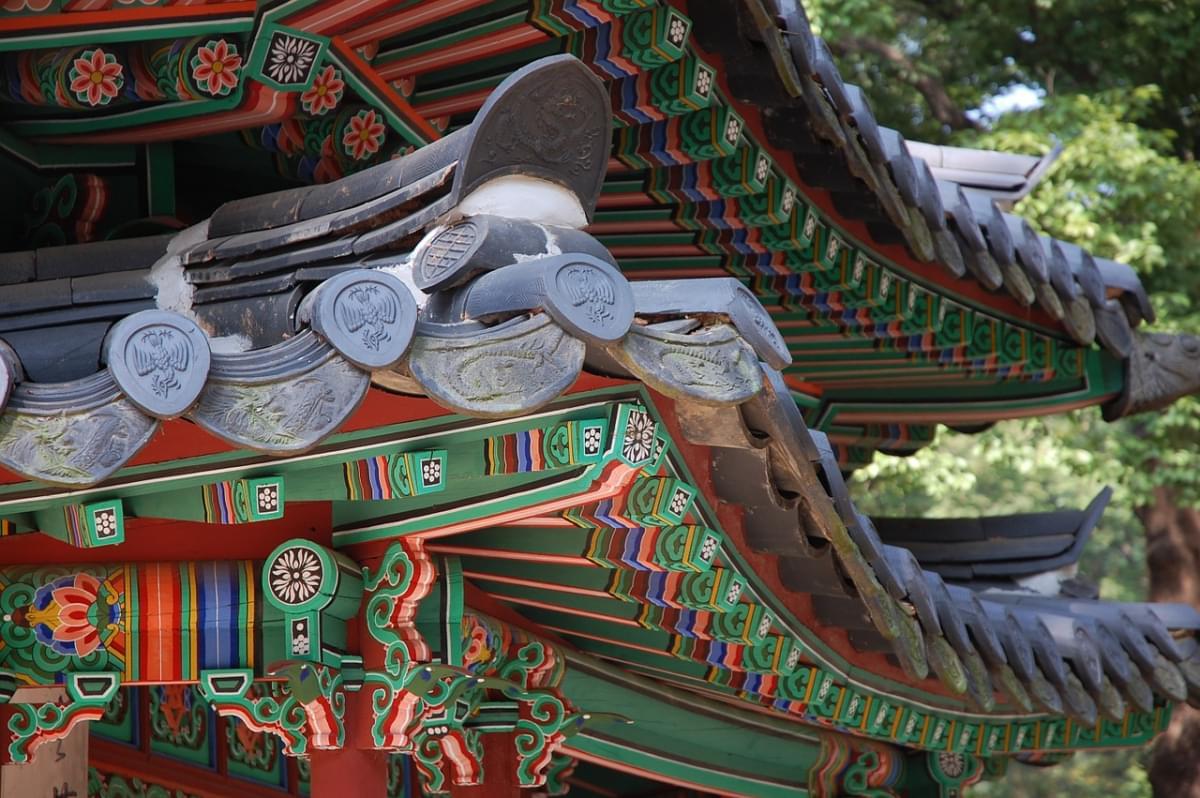 Next to Changgyeong-gung Palace is this other building dating back to 1405 and belonging to the Joseon Dynasty, a favourite of many princes. Characterised by elements dating back to the period of the Three Kingdoms of Korea and perfectly integrated into the territory, it has unfortunately suffered several fires and damage, but thanks to restoration work in 1997 it was listed as a Unesco heritage site.
It is currently possible to admire 13 buildings and 28 pavilions in the gardens. Among the main structures we mention: Donhwamun, the main palace gate; Geumcheongyo Bridge, Seoul's oldest bridge; Injeongjeon Hall, Changdeokgung's throne room; and Daejojeon Hall, the Queen's official residence.
Take astroll through Huwon Garden: it hosts various ceremonies, parades, games and royal festivals and can only be visited on guided tours lasting about 1 hour that leave three or four times a day, depending on the period. See the official website
Getting there: 99 Yulgok-ro, Waryong-dong, Jongno-gu. It can be reached by metro stop Anguk Station (line 3), by blue bus line 109, 151, 162, 171, 172, 272 or by Green Bus line 7025, Changgyeonggung Palace Bus Stop. Changgyeonggung Palace and Jogyesa Temple are also nearby - Get directions
Hours: Tue-Sun open, Mon closed. Feb-May, Sep and Oct 9am-6pm, June-Aug until 6.30pm, Nov-Jan 9am-5.30pm
Ticket price: full 3,000.00 WON (€2.30), concessions 1,500.00 WON (€1.15) / Secret Garden full 8,000.00 WON (€6.00), concessions 5,000.00 WON (€3.75)
4 - Jogyesa Buddhist Temple
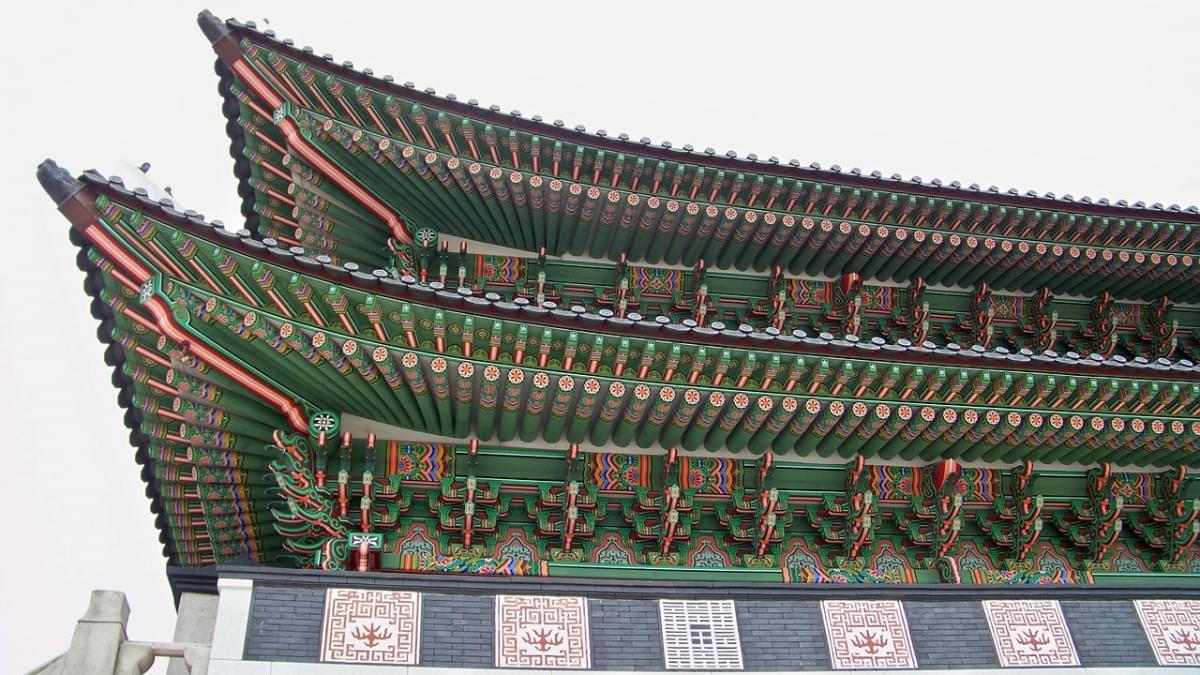 The Jogyesa Temple, established in 1395, is the main Jogye Buddhist temple, the sect of Zen Buddhism in Korea. For those who wish to live as a Buddhist monk for a day, they also organise spiritual days.
Surrounded by beautiful centuries-old trees, it features several buildings including the Daeungjeon, the main one that also contains the Seokgamoni statue, several Buddha representations and rooms with paintings and wood panels. Outside is a seven-storey pagoda with the Chinese Scholar Tree, the ornamental tree considered auspicious, which produces small fruits in October. Don't expect a classic mountain temple with a magical atmosphere, however, because here you are in the very centre of Seoul.
It is located at 55 Ujeongguk-ro, Gyeonji-dong, Jongno-gu, in central Seoul. Reference underground stops Jonggak Station (line 1), Anguk Station (line 3) or Gwanghwamun Station (line 5). It is always accessible and free to visit - Get directions
Visit it during the Lotus Lantern Festival: every year on 8 April, it hosts the Lotus Lantern Festival, which celebrates the Buddha's birthday and is a festival that attracts not only the faithful but also foreign visitors.
In the weeks leading up to it, the city is decorated with lotus-shaped lanterns and the official start of the celebration takes place with the lighting of the Jangeumdang, a large lantern, in Seoul Plaza.
5 - Bongeunsa Buddhist Temple
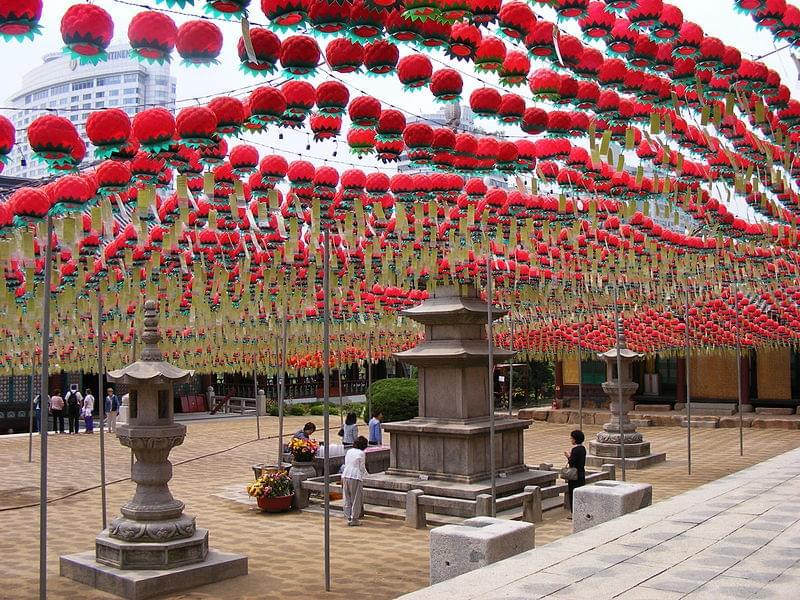 Photo by Molly Lewis. North of the COEX building, in the financial district of the capital Gangnam, surrounded by hypermodern buildings, is the Bongeunsa Buddhist temple built in the 10th year of Shilla 's reign and rebuilt, following its dismantling, in its current location in 1498.
A popular tourist destination for visitors to Seoul, it houses 3,479 Buddhist scriptures of 13 types and, opposite the main entrance, there is a small monument commemorating theNational Buddhist Examination from 1552 to 1564, where many Buddhist masters were selected. Inside are some treasures such as the bronze incense burner, a calligraphic work and the Panjeon Hall with woodcut engravings.
It is located at 531 Bongeunsa-ro, Samseong 1(il)-dong, Gangnam-gu, in the financial district. About 30 min from the centre, it can be reached by bus line 2415 (green line). It is always accessible and free to visit - Get directions
Visit it in September: on 9 September of each year's lunar calendar, the Jeongdaebulsa ceremony is celebrated here, where monks parade holding scriptures on their heads and recite Beopseongge, a Buddhist rite.
6 - Bukchon Traditional Village
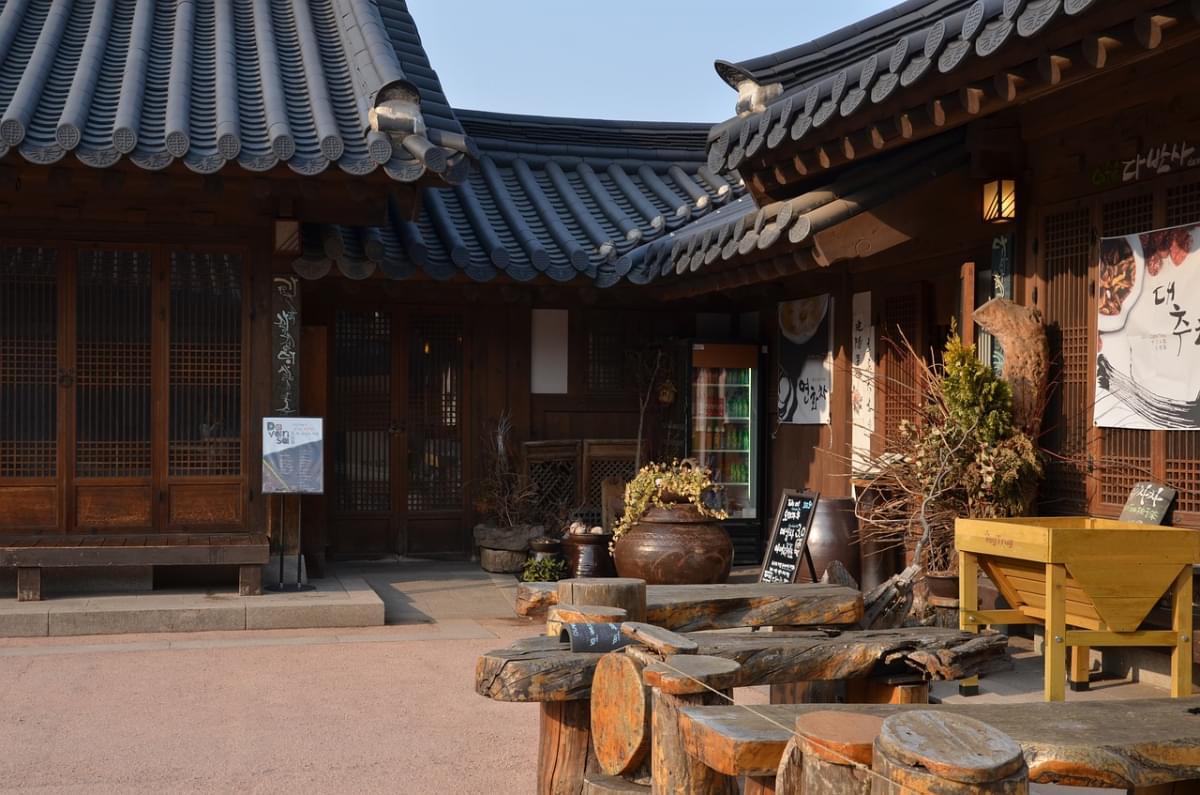 Amidst skyscrapers and modern structures, Seoul also hides an ancient heart that can be admired in one of the most traditional and most visited neighbourhoods, Bukchon Hanok Village, where the Gyeongbokgung Palace and the Changdeokgung are also located.
Here it is possible to admire about 900 hanok, typical Korean houses dating back to 1394, characterised by geometrically patterned walls, dark tiles and wooden doors decorated with good luck phrases. This area was once inhabited only by noble families and bureaucrats working for the royal residence.
Today it is still a residential area, so when you enter this district, you must respect the customs of those who live here; many hanoks can be visited because they have been transformed into workshops, museums or cultural centres. Those who wish can also participate in the Hanok Stay programme, i.e. they can sleep in a traditional house (cost from 40,000.00 WOK/€30.00 to 100,000.00 WON/€75.00 per night).
The neighbourhood can be reached on foot if you are near Changgyeong-gung palace and Gyeongbokgung palace, otherwise by metro stop Anguk Station (line 3) or by blue line bus stop Jongno 3-ga - Get directions
Enjoy a good tea: between sightseeing stops at the popular 'Cha Masineun tteul' tea house, a beautiful hanok where you can sip this amber-coloured beverage accompanied by Korean sweets.
7 - Seoul Tower
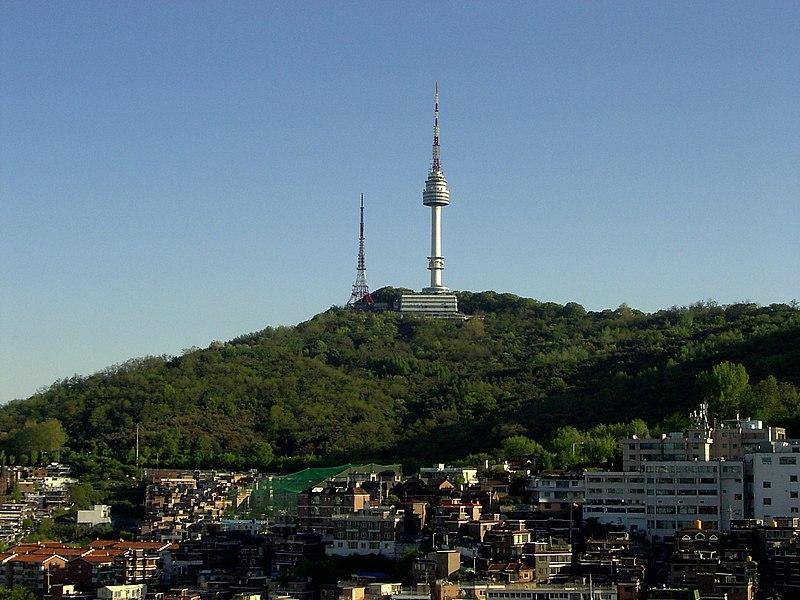 Photo by Wolfgang Schaefer (photographer). The N Seoul Tower, also known as Namsan Tower, is one of the must-see attractions if you are in Seoul. Built in 1969 in the heart of Namsan Park and almost 245 m high, it is a television tower that has been open to the public since 1980 and has become a gathering place. It has a panoramic observatory from which you can enjoy a breathtaking view.
Also inside is the Teddy Bear Museum, a unique place to visit with the little ones, where sweet stuffed animals tell the story of the city. If, on the other hand, you are an incurable romantic, don't miss the Locks of Love, also inside the tower, a place with an incredible collection of padlocks symbolising eternal love. Finally, near the terrace, there is also the museum dedicated to Hello Kitty. If you get hungry between a view and a museum, the N Tower has several restaurants, some more luxurious, such as the French N.Grill, and others more typical and cheaper, such as the Korean Hancock or Cheiljemyunso, specialising in noodles.
Watch the light shows: the tower is famous for its striking blue illumination, which lights up from dusk until the next morning. Several shows are also sometimes staged, the most famous of which are the 'Reeds of Light' and the 'Shower of Light'.
How to get there: 105 Namsangongwon-gil, Yongsan 2(i)ga-dong, Yongsan-gu. It can be reached by metro line 4 Myeongdong station. Then walk to the stairs leading to the Cable Car - Get directions
Hours: Sun-Thu 10am-11pm, Fri-Sat 10am-24pm. Hours may vary in case of inclement weather
Ticket price: full 16,000.00 WON (€12.00), concessions 11,000.00 WON (€8.20)
8 - Dongdaeum Gate
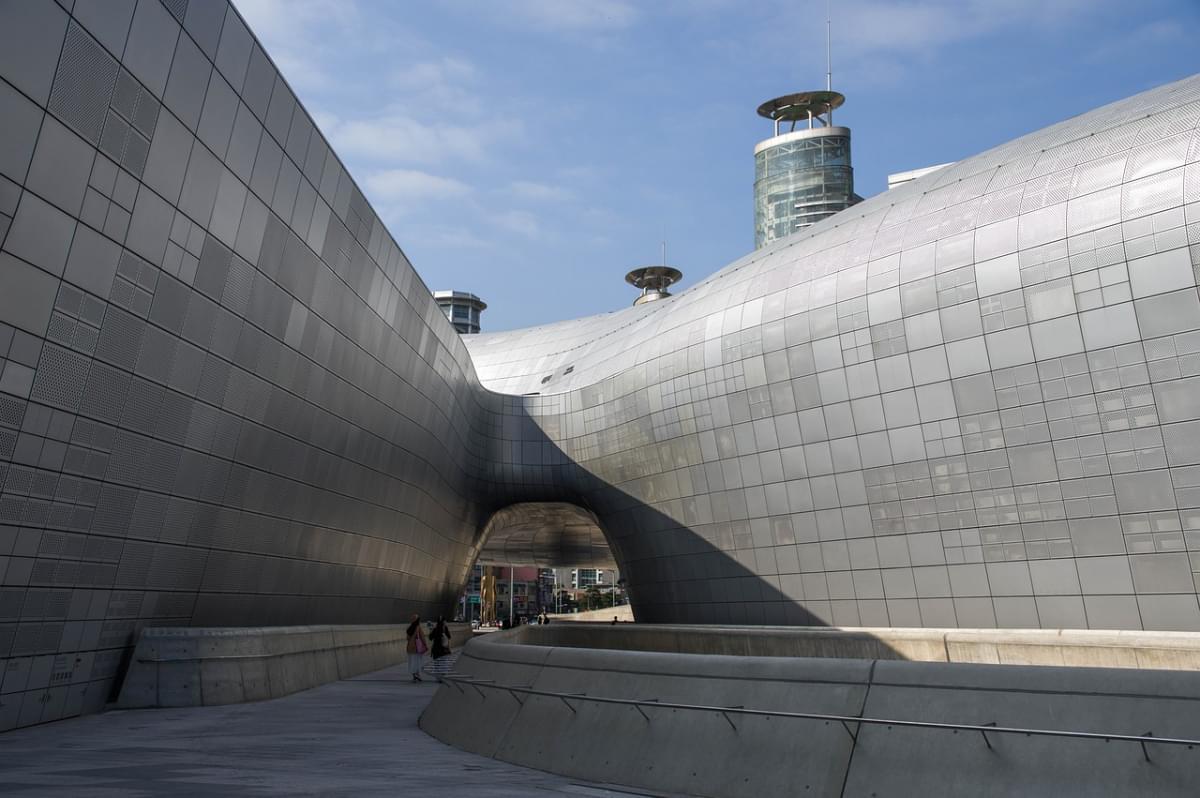 This gate was built by King Taejo in 1396 and then renovated in later years and is one of the eight entrances to Seoul. The name DongdaemunGate means'Gate of the Great East', as it was the main gate during the Joseon Dynasty.
Characterised by a half-moon shaped outer wall and built of different coloured stones, on the eaves of the roof are Japsang statues that resemble animal forms and are meant to ward off evil spirits. Today, the area around the gate is known for the Dongdaemun Market with its underground shops and stalls and since 2007 the city has started a project called Dongdaemun Project Design (DDP) to renovate what used to be the Dongdaemun Stadium.
It is located at 288 Jong-ro, Jongno 5(o).6(yuk)ga-dong, Jongno-gu. It can be reached by metro 1 and 4 Dongdaemun Station. Nearby is the Seoul City Wall Museum - Get directions
Visit it in theevening: thanks to the design of the famous architect Zaha Hadid, this structure has become one of the most important landmarks in downtown Seoul. We recommend visiting it in the evening too, to admire the wonderful play of light!
9 - Cheonggyecheong Stream
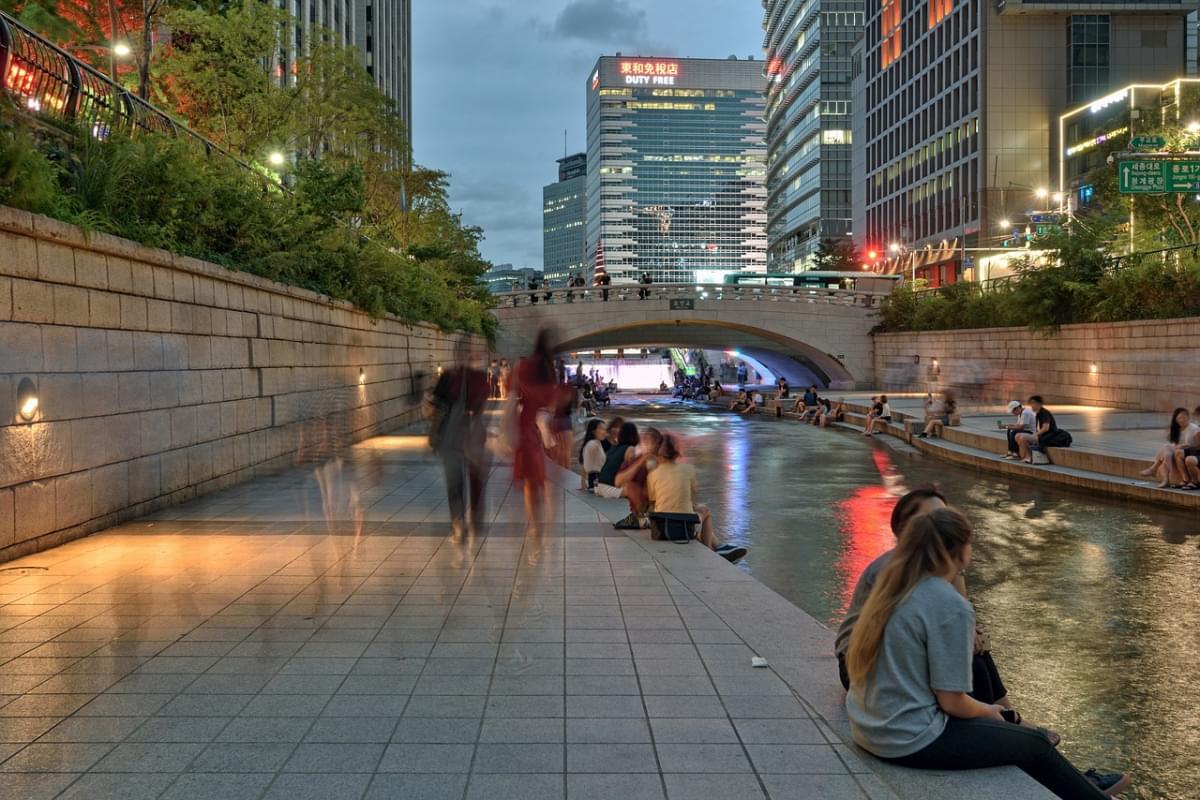 The Cheonggyecheon stream, which flows from west to east through the city centre and flows into the Jungnangcheon, is considered Seoul's most important natural attraction. For a time it was covered with concrete in order to build an elevated road, but in 2003 the then mayor Lee Myung-bak initiated a redevelopment project to remove the road and restore the stream. The result was to create an environment with clean water and a natural habitat within a modern capital, with the benefit of refreshing the area and lowering pollution.
Furthermore, between the Hwanghakgyo and Biudanggyo bridges, in a 164 m long section, is the Wall of Hope, a wall decorated with more than 20,000 ceramic tiles that is meant to represent the hopes and wishes of people all over the country.
It can be visited from several points. To leave from Gwanghwamun station, take the metro line 5 and walk along the river from there. Or arrive at Cheonggye Plaza with the line 2 stop "Eulijro 1 -ga Station" - Get directions
Walkalong the creek: the path starts at Cheonggye Plaza and passes under 22 bridges before flowing into the Hangang River. On the way you'll find numerous attractions, such as the painted tiles of King Jeongjo's Banchado, Fashion Square, the pillars of the former motorway, the Wall of Hope, the Tunnel Fountain and the Wetlands.
10 - Seoul Museum of Art
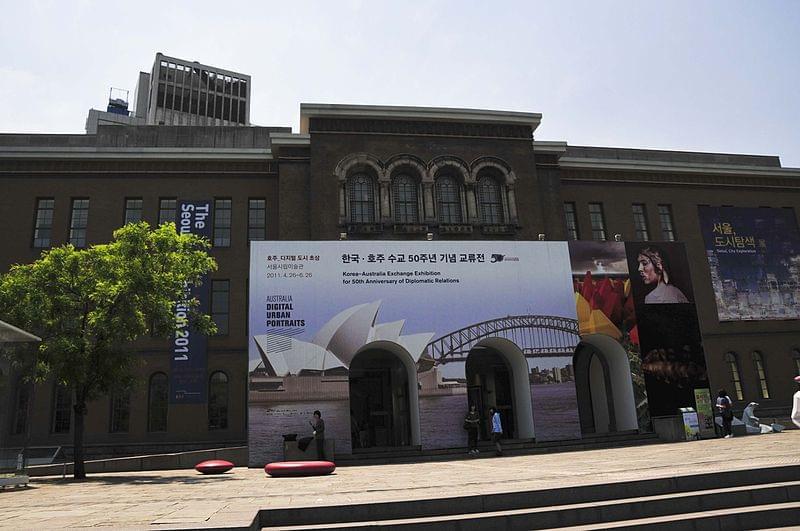 Photo by Gapo. The well-known Seoul Museum of Modern Art, also called SEMA, has been located in the centre of the capital since 2002 (previously it was inside the Gyeonghuigung building). Consisting of three floors of exhibition halls, a library and several rooms with offices and classrooms, it boasts a collection of 3,500 works of art including sculptures, paintings and installations. Among the names of Korean art are Hwan Gi Kim, Gook Yoo, Nam June Paik, Woo Hwan Lee, Seo Bo Park and Myoung Ro Yoon, as well as numerous contemporary artists active worldwide.
The museum also hosts international temporary exhibitions of famous personalities, such as Chagall, Matisse, Picasso and Van Gogh, and is known for its art courses, seminars and lectures. Also of interest are the permanent exhibitions in the open-air sculpture park and the Nanji Residency, which provides space for young artists to make a name for themselves.
How to get there: 30 Misulgwan-gil, near Deoksugung Palace, Jeongdong Theatre and Nanta Theatre. Reference underground stops Seoul City Hall station (line 1 and 2), Gwanghwamun station (line 5), and Hagye Station (line 7) - Get directions
Hours: Tue-Fri 10am-8pm, Sat-Sun 10am-7pm, Mon closed
Ticket price: 'Free
11 - Myeongdong Cathedral
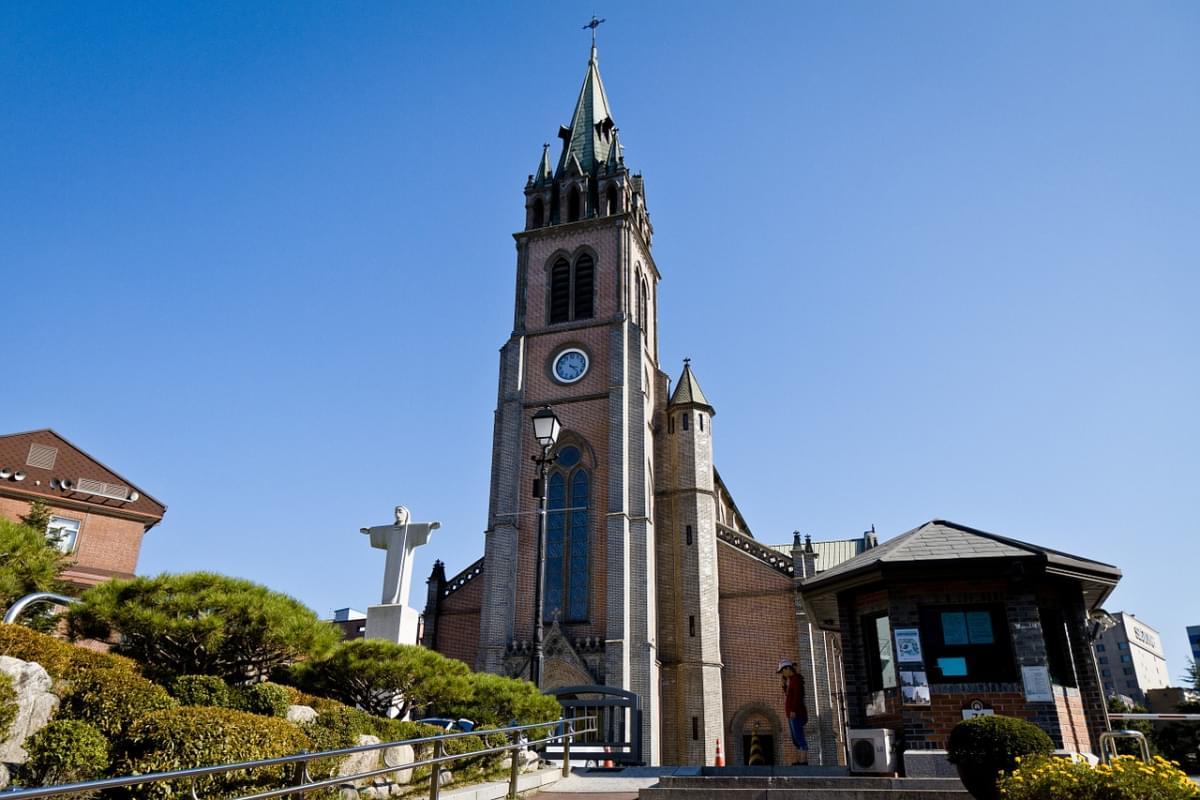 The Mother Church of St. Mary of the Conception, or Myeongdong Cathedral, is the Catholic religious building that is the seat of the city's archbishop. A landmark for the Catholic population, it features neo-Gothic architecture and dates back to 1894, although it was completed in 1898.
Built with different types of red and grey bricks, it is 23 m high, but the bell tower reaches 45 m. Inside, one can admire religious art decorations and magnificent stained glass windows with biblical scenes of the nativity. Under the high altar is the crypt with the relics of nine Korean martyrs and in the basement there is a small shrine.
Visit it in May: the Cathedral hosts a cultural festival open to all, during which Korean music concerts, dance performances, flower shows and folk games are organised.
Getting there: 74 Myeongdong-gil, Jeodong 1(il)-ga, Jung-gu. It can be reached by metro line 4 Myeong-dong Station; nearby is N Seoul Tower, overlooking Seoul, and Namdaemun Market - Get directions
Hours: daily 7am-9pm
Ticket price: free
12 - Olympic Park
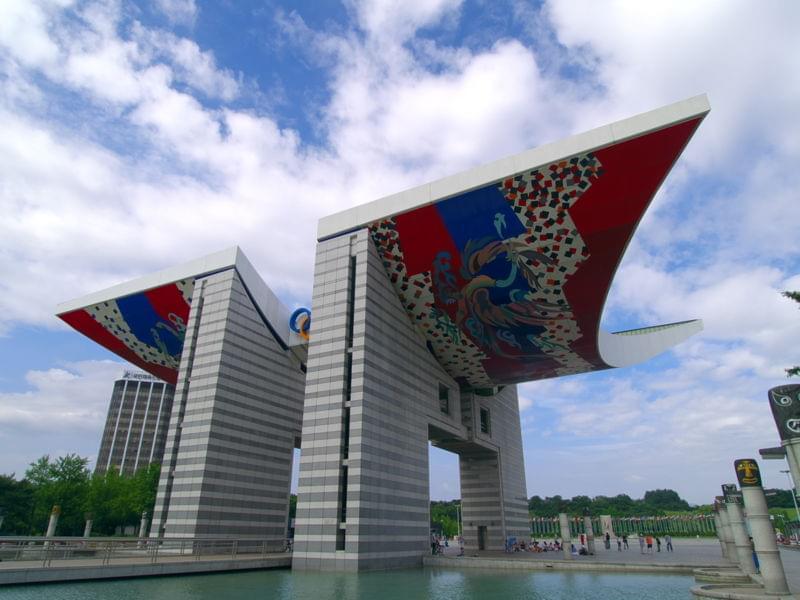 Photo by Khitai. TheKorean capital hosted the Olympic Games in 1988 and it is still possible to visit the Olympic Park, which not only houses the largest sports hall in Korea, but is a popular place for citizens to be outdoors.
It occupies an area of 1.4 million square metres and is home to several monuments and museums, as well as leisure areas: the Mongchongtoseong Fortress, the Mongchon History Museum, the Soma Museum, the Olympic Museum, picnic areas, an eco-park, the Music Fountain, swimming pools, tennis courts, gyms for fencing, weightlifting, gymnastics and much more. It is also a cultural venue: in addition to a beautiful lake, you will find a stage for performances, while the large square surrounding the Peace Gate is often occupied by exhibitions and various events and scattered throughout the Olympic area are some 200 sculptures and works of art.
Plan your visit: to visit it in its entirety you need at least 3 hours, but to save time you can hop on the little trains called Hodori Trains that leave from Peace Square.
How to get there: 05540424 Olympic-ro, Songpa-gu. It can be reached by metro line 8 Mongchontoseong Station or line 5 Olympic Park Station. Nearby is Lotte World and Lotte Tower - Get directions
Hours: daily 7am-10pm
Ticket price: free / Activities and museums varying entrance fees
13 - Namdaemun Market
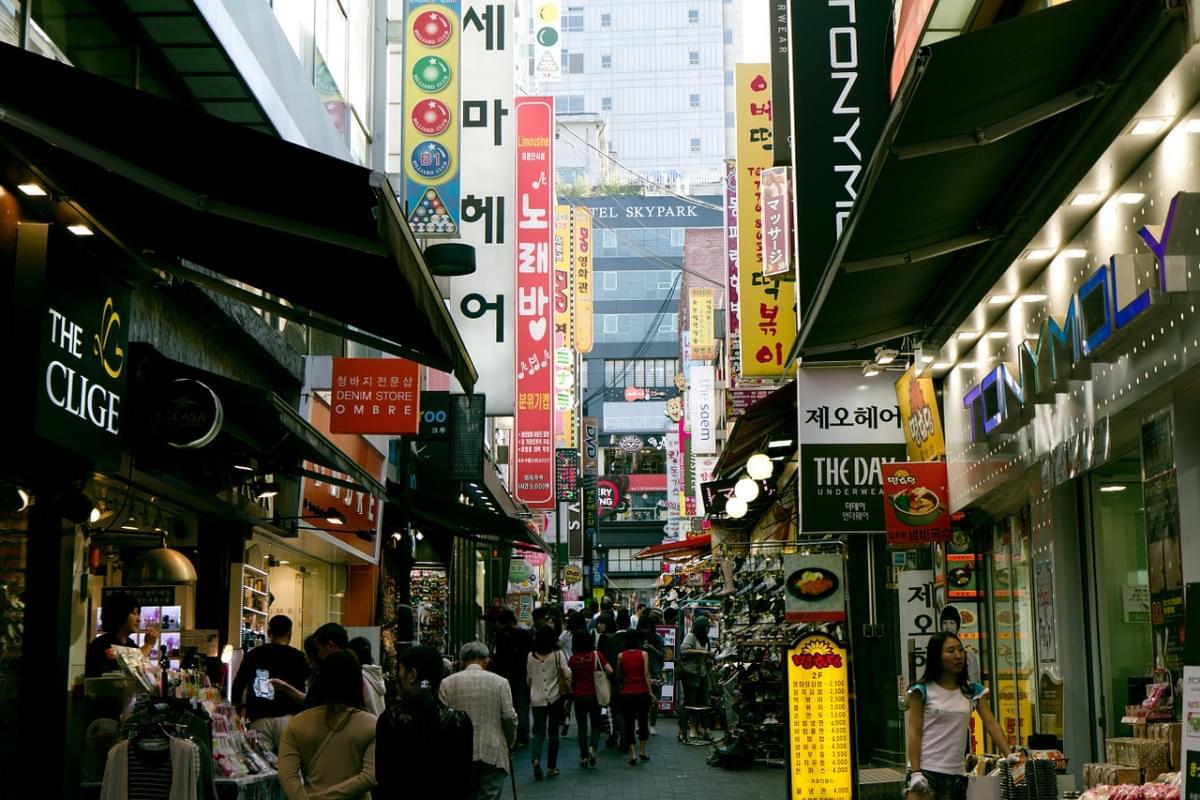 If between a historical attraction and a museum you also want to do some shopping, Namdaemun Market is the place to be. Covering 6 hectares, it is the largest market in the country, as well as being the oldest, and has over 10,000 stalls selling everything at very low prices. You can buy electronics, jewellery, furniture and much more at any time of the day or night.
The market is quite labyrinthine and even overwhelming, open 24 hours a day every day although some shops close on Sundays and after 10pm, while others remain open all the time. The market is located near the southern gate, the Namdaemun Gate, a two-tiered building in the shape of a pagoda that was used to greet foreigners and control access to the city, as well as to keep Siberian tigers at bay.
The market is located at 21 Namdaemunsijang 4-gil, Hoehyeon-dong, Jung-gu. It can be reached by metro line 4 Hoehyeon Station, exit 5. Nearby Seoul Plaza and Deoksu-gung Palace - Get directions
14 - Seoul City Hall and Seoul Place
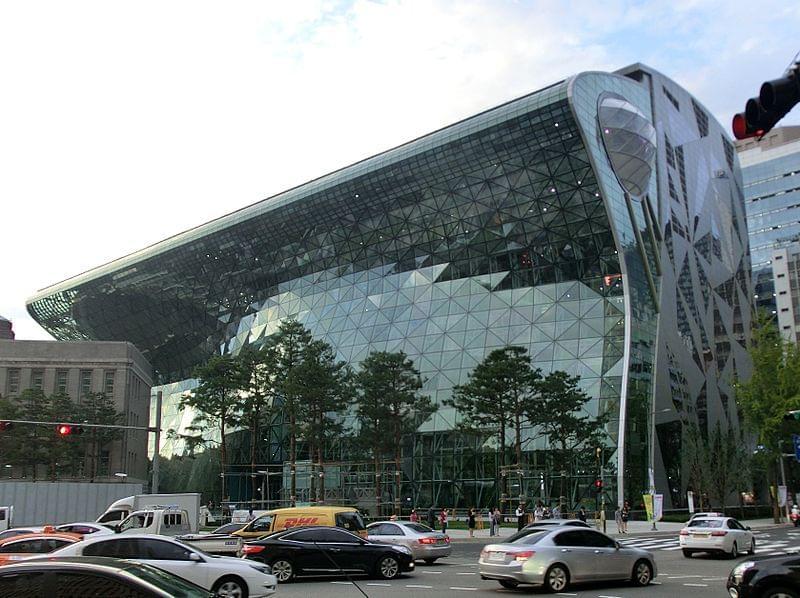 Photo by Sam-son. Built on top of the existing building, Seoul City Hall is an ultra-modern city hall with a towering vertical garden (no less than seven storeys, earning the city the record for the world's tallest vertical garden) and a strategic location, to say the least. Seoul City Hall will captivate you, thanks also to the stark contrast between this contemporary glass building and the more traditionalist architecture nearby.
The venue often hosts exhibitions and events of various kinds, but above all it is located near Seoul Place, which was inaugurated on 1 May 2004 with the intention of providing citizens with an open-air space. In the centre of this elliptical-shaped square is a fountain with fountains spurting out of the floor as you approach. Opposite the town hall is the library, registered as a National Cultural Asset, which houses a collection of over 200,000 books.
How to get there: 110 Sejong-daero, Myeong-dong, Jung-gu. It can be reached by underground, line 1 or 2 City Hall Station. Nearby Deoksugung Palace and Namdaemun Market - Get directions
Hours: square always accessible / City Hall and library Mon-Sat 9am-6pm
Ticket price: free
15 - War Memorial
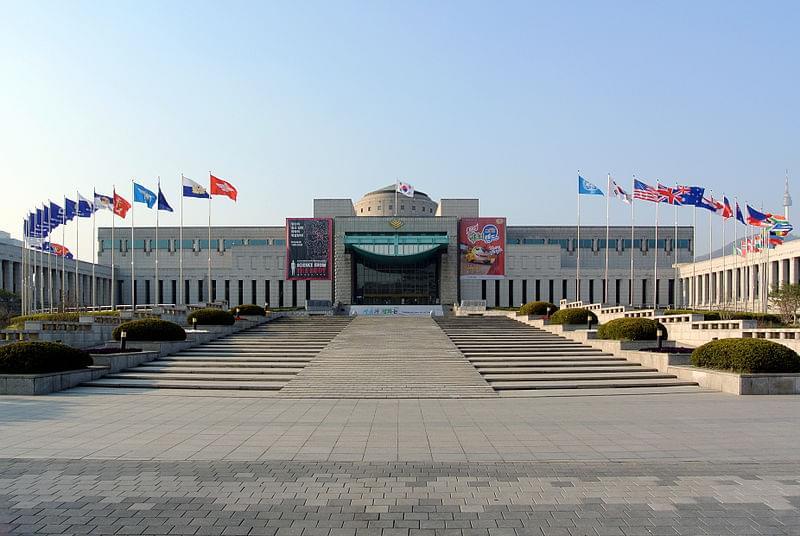 Photo by Adbar. For all history buffs, but not only, there is the Korean War Memorial in Seoul, a 20,000 square metre museum with over 13,000 objects inside. Inaugurated in 1994 on the site of the former army headquarters, the memorial features six indoor exhibition halls and a large outdoor sports centre, where you can see weapons, tanks, planes and everything that marked the country's conflicts, especially the one that took place in the 1950s between North and South Korea. Outside, you will hear patriotic messages coming out of loudspeakers to remind you of the atrocities that took place in the country.
Next to the main façade you will see rows of black marble monuments engraved with the names of people who died during the Vietnam War and the Korean War. There is also an artificial waterfall in the square with several resting areas and the statue of the Two Brothers: an emblem of two divided countries, where the younger and older brother stand on the battlefield to fight, one for the north and the other for the south.
Plan your visit: the memorial is so extensive that it deserves a visit of at least half a day. Free guided tours are available at 10 a.m. and 2 p.m., but the organised tour is much more in-depth
Getting there: 29 Itaewon-ro, Namyeong-dong, Yongsan-gu. Can be reached by metro line 4 or 6 Samgakji Station exit 1, 11 or 12; alternatively bus 110A, 110B, 740 or 421 The War Memorial of Korea stop - Get directions
Hours: Tue-Sun 9:30am-6pm, Mon closed
Ticket price: free
16 - Lotte World
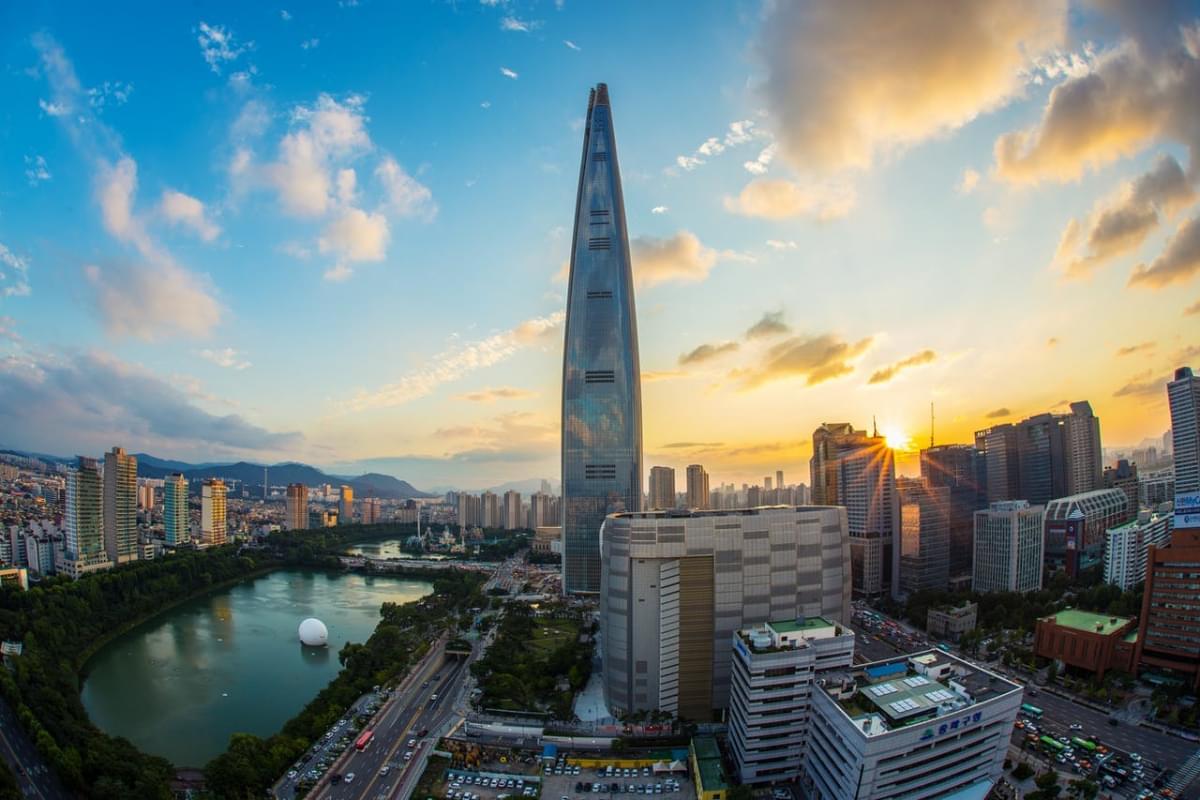 '/>"/> Dedicated especially to fun-loving people and families with children, Lotte World is a theme park with rides, attractions, skating rinks and a folklore museum. Opened in 1989, it is the largest indoor amusement park. It also has an outdoor area, Magic Island, a luxurious hotel, sports facilities and a cinema.
You can choose from numerous rides, such as the Flume Ride, Gyro Drop or Gyro Swing, or attractions such as the Adventures of Sindbad, where on a boat with a sailor you cross underground waterways. If you prefer shows to rides, the Masquerade Festival or the Rio Samba Carnival are staged every day and different parades and parades are held every day at 2.30 pm and 7 pm, depending on the season.
Plan your visit: this is a great place to visit with the family and to spend at least a day there! We recommend a day pass and, if you want to enjoy the view from above, also the entrance ticket for the Lotte Tower observatory.
How to get there: By 240, Olympic-ro can be reached by metro Line 2, 8 Jamsil Station exit 4 and the entrance is connected to the station. Nearby is the Olympic Park - get directions
Hours: daily 10:00-21:00
Ticket prices: Lotte World full 56,000.00 WON (€42.00), concessions 46,000.00 WON (€34.00) / Lotte World + Folk Museum full 59,000.00 WON (€44.00), concessions 52,000.00 WON (€39.00)
17 - Dongdaemun History & Culture Park
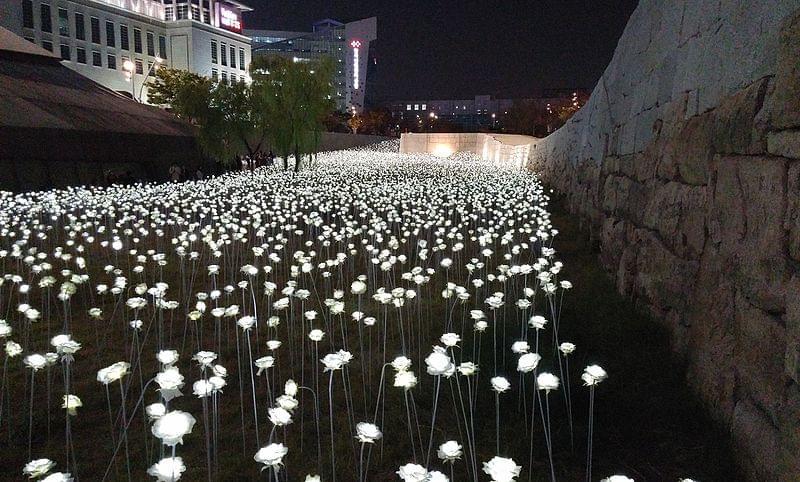 Photo by Christian Bolz. History and futurism walk hand in hand in one of the city's most striking areas. If you want to admire architecture that is, to say the least, "spacey" but also winks at the historical events that have involved Seoul, then the must-see attraction for you is the Dongdaemun History & Culture Park.
The park is always accessible and houses many different attractions, all free of charge! Don't miss, for example, the Rose Garden Lighting, a 'digital' flower garden that lights up at night to create a unique and wonderful play of light. If you love design, you cannot miss a visit to the Design Lab either.
Directions: to Jung-gu, Euljiro 7(chil)-ga, 2-1. From Sinyongsan Station, bus line 152 or 4 (blue line) to Dongdaemun History & Culture Park station (20 min) - Get directions
Hours: park always accessible / Design Lab weekdays 10:00-21:00, weekends and holidays 10:00-22:00 / Rose Garden Lighting daily 19:00-00:00
Ticket price: free
Other attractions and things to do
Seoul is a very big city, full of other attractions to choose from depending on your time and interests!
Starting with museums and historical sites, we mention Changgyeong-gung Palace (3,000.00 WON/€2.30), next to Changdeok-gung, where you will also find the Western-style Botanical Garden, Deoksu-gung, the smallest of the five royal palaces, which houses a Museum of Modern and Contemporary Art (3,000.00 WON/€2.30), Gyeonghui-gung Palace (3,000.00 WON/€2.30) and the Deoksung complex. If you love art, you can also visit the Leueum Museum of Art (free), and don't forget to admire the Blue House, the President's residence, from the outside. For football fans, on the other hand, there is the Seoul Wold Cup Stadium in the city, which can be visited inside via guided tours (WON 1,000.00/€0.75). If you are travelling with children, you might consider a day at Everland, Korea's largest amusement park.
Finally, we recommend immersing yourself in the atmospheres of the different districts of the city to discover all its souls: in the historical districts of Namsangol, Namdaemun and Dongdaemun, characterised by historical markets and ancient gates; in the commercial districts of Myeongdong, Dongdaemun and Gangnam for some healthy shopping; and finally, in the university district of Hongdae.
What to see in a day
Spending a day in Seoul means racing against time to visit at least some of its main attractions. You'll obviously have to focus on the must-see attractions. Here is the itinerary we would like to suggest:
9am - Gyeongbokgung Palace
11:00 - Bukchon Hanokok Village
12:00 - Changdeokgung Palace
14:00 - Insadong
16:00 - Namdaemun Market
18:00 - Myeongdong
19:00 - Seoul Tower
What to see in 3 days
Being a huge city steeped in history, one weekend is certainly not enough to enjoy Seoul. However, three days will be enough to be bewitched by its timeless charm. Here are some tips on how to spread out the various attractions over the 3 days:
Day 1: Gyeongbokgung Palace, Bukchon Hanokok Village, Changdeokgung Palace, Korea National Palace Museum, Jongmyo Shrine
Day2: Namsan Mountain, Seoul Tower, Namsangol Hanok Village, Namdaemun Market
Day 3: Bongeunsa Temple, Lotte World Tower
What to see in 7 days
A week is the minimum amount of time to really enjoy the multifaceted soul of Seoul. Whether you are a fan of K-Pop or ancient palaces, with 7 days at your disposal you can appreciate a bit of all sides of the city, from historical districts to ultra-modern shopping districts. Here is our recommended itinerary:
Day 1: Gwanghwamun Square, Jogyesa Temple, Gyeongbokgung Royal Palace
Day2: The National Folk Museum of Korea, Bukchon Hanok Village, Samcheong-dong
Day 3: Changdeokgung Palace, Changgyeonggung Palace
Day4: Seoul Plaza, Seoul City Hall, Deoksugung Palace, National Museum of Modern and Contemporary Art, Deoksugung, Cheonggyecheon
Day5: Seoul Museum of Art, Namdaemun District, Sungnyemun Gate, Namdaemun Market, Myeongdong Night Market
Day6: Seoul Tower, Namsan Park, Namsangol Hanok Village, Dongdaemun History & Culture Park
Day 7: Bongeunsa Buddhist Temple, Lotte World park and aquarium
Plan your stay in Seoul: flights and hotels
When to visit Seoul: The best time to visit is between April and June and between September and October, when there is much less rain and temperatures are pleasant.
How to get there: by plane from Incheon Airport, where numerous international airlines operate, so from Italy it will be a maximum of two stopovers - Flights from €421.00 - look at the offers
Where to stay: As for accommodation, find places to stay close to metro stations. Best areas include Myeongdong, the Seoul Station district or the more aristocratic Nsadong and Samcheong-dong areas(compare accommodation on booking).
Getting around: public transport is efficient and very cheap. The fare is calculated in relation to the kilometres travelled, i.e. 1,250 won (€0.94) for the first kilometre and an additional 100 won every 5 km.
Nightlife: the university districts of Sinchon and Hongdae are full of clubs, bars and discos, but Gangnam and Itaewon are also worth mentioning
What to do with children: the most suitable activities are a visit to the Aquarium, Lotte World, the N Tower, the National Museum with its children's section, Bukchon Hanok Village and the royal palaces, where children will also have fun dressing up in traditional clothes.